Tips for Working with the 7 Elements of Design in Australia
An Introduction to the Seven Elements
Whether you're styling a cosy inner-city apartment or a sprawling coastal home, the secret to captivating spaces lies in mastering the 7 elements of design. These elements - space, line, form, texture, colour, light, and pattern - are the essential ingredients of design, each playing a unique role in shaping the environments we inhabit. Understanding and skillfully applying these elements allows designers to craft spaces that are balanced, engaging, and reflective of individual style.
The interplay of these elements can dramatically alter a space's feel, functionality, and aesthetic appeal. For example, the careful manipulation of space and light can transform a cramped room into a serene retreat, while the strategic use of colour and texture can infuse a space with warmth and vibrancy. Just as a chef combines flavours to create a culinary masterpiece, designers blend these elements to achieve a harmonious and compelling space.
These design principles transcend individual disciplines, finding relevance in everything from architecture to fashion. However, in interior design, their application must balance aesthetic appeal with practicality, creating environments that are not only beautiful but also liveable.
This guide offers practical tips and insights into each of the seven elements, empowering you to apply these principles and elements of interior design to your personal projects across Australia and beyond.
In short…
- Balance and Harmony: Create visual comfort by distributing elements evenly, essential for maximising flow and natural light in smaller Australian apartments and townhouses.
- Contrast and Rhythm: Add dynamic interest by introducing contrast and rhythm through repetition of interior design elements.
- Proportion and Emphasis: Maintain scale awareness and use emphasis to highlight architectural features like high ceilings or a framed view of the Australian landscape.
Mastering these seven elements will help you create spaces that are not only aesthetically pleasing but also functional and harmonious.
Element 1: Mastering the Art of Space
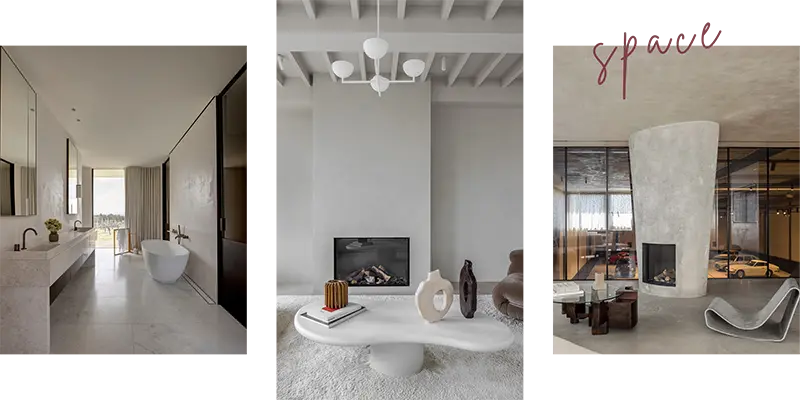
Understanding and manipulating space in interior design is a foundational skill. Space can be defined by the physical boundaries of a room and how these boundaries are perceived. It involves the arrangement of objects within a given area and how this arrangement affects functionality and aesthetic appeal.

Image source: Yellow Trace
Understanding Positive and Negative Spaces
Tip: Consider using furniture and decor to define positive and negative spaces, creating dynamic and functional areas within a room.
"Incorporating an elemental sofa to delineate the lounge area while leaving open pathways with strategically placed accent chairs can establish positive and negative spaces, offering both cohesion and movement."
Positive space is occupied by objects, while negative space refers to the open, unoccupied areas. Striking the right balance between these spaces can enhance a room's flow and make it feel more intentional and welcoming.
When it comes to the use of space, a key interior design example is Australian mid-century architecture. Designers like Harry Seidler focus on geometric clarity, open-plan living, and integrating the natural landscape. This approach often guides the use of positive and negative space in contemporary Australian homes.
Experiment with furniture arrangements to find the most effective use of space in your home. By playing with the placement of objects and considering their scale and proportion, you can discover new ways to optimise both the functionality and aesthetic appeal of your living spaces.
This exploration of space sets the stage for the subsequent elements of design, each building upon the last to create well-rounded, harmonious spaces that resonate with those who inhabit them.
Creating Balance through Spatial Arrangement
Tip: Use a focal point to anchor the space, allowing for a harmonious arrangement of furniture and decor around it.
"Positioning a statement piece like an oversized mirror or a striking piece of art as the focal point can guide the spatial arrangement, creating a balanced and visually appealing composition."
Creating a balanced interior space involves more than just symmetry; it's about arranging elements in a way that promotes harmony and flow. The work of Australian design firms like Hecker Guthrie showcases an exquisite balance between natural textures and minimalist arrangements, using a functional, light-filled approach to anchor each room's design. This level interior design approach emphasises practical, well-designed spaces, using furniture and lighting to add depth and create modern and liveable Australian interiors.
Experimenting with different focal points in your space—whether it's art, furniture, or architectural features—can significantly impact the room's overall balance and aesthetic. It's an opportunity to explore how various elements can converge to create a cohesive look.
Utilising Zoning for Functional Spaces
Tip: Use architectural elements like dividers or different flooring materials to delineate functional zones within an open space.
"In an open-concept living space, using a rug to define the seating area and a pendant light to highlight the dining space creates distinct zones, optimising both form and function."
Zoning is particularly important for many common types of Australian housing like townhouses and inner-city apartments. Designers often use modular shelving or distinct floor finishes to define functional zones. Picture a dedicated home office nook or seamless alfresco dining area, maximising the flow and utility of the space. If you're wondering how to make a small living room look bigger or create a spacious open-plan feel, this considered use of zoning is the solution.
By experimenting with zoning in your own projects, you can enhance the functionality of a space. Consider how different elements—furniture, lighting, rugs, and room dividers—can work together to create clear, purposeful zones that cater to various activities, from dining and lounging to work and play. This strategic use of space not only improves a room's functionality but also its aesthetic appeal, allowing each zone to have its unique character while still contributing to the overall design narrative.
Element 2: Guiding the Eye with Lines
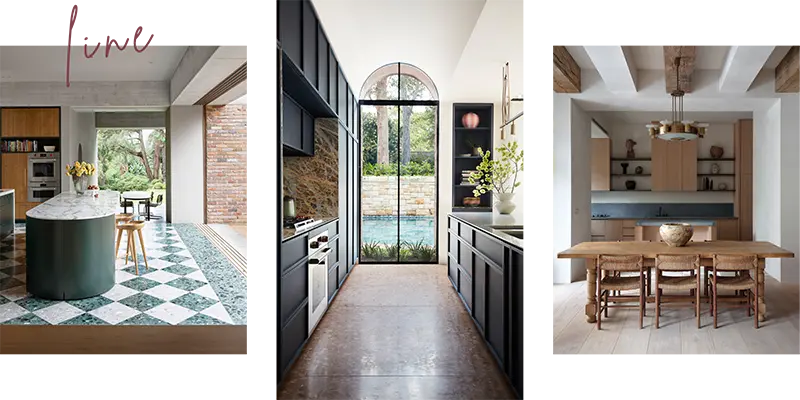
Lines play a pivotal role in directing sight and creating a structured flow within a space. They can guide the viewer's gaze, suggest movement, and significantly impact the room's overall feel.
Image source: Yellow Trace
Emphasising Directional Lines
Tip: Incorporate lines in the flooring or ceiling to lead the eye and create a sense of movement within a space.
"Installing a herringbone-patterned hardwood floor not only adds visual interest but also directs the eye toward the focal point, creating a dynamic and inviting atmosphere."
Directional lines, whether in architectural features, patterns on the floor, or lines on the ceiling, can effectively guide the viewer's focus to key areas or features within a space. For instance, the iconic use of vertical elements in the architecture of the Sydney Opera House (designed by Jørn Utzon) masterfully uses vertical lines to draw the eye upward, defining the city skyline. As a principle of interior design, this can be applied on a smaller scale in domestic interiors, using tall panelling or wallpaper with vertical stripes to enhance a room's height and focal points, a common strategy in older Federation or Queenslander homes.
Experiment with various line patterns and orientations to discover how they can subtly or dramatically change the direction and focus within a space, adding depth and interest.
Playing with Horizontal and Vertical Lines
Tip: Use vertical lines to add height and grandeur, while horizontal lines can create a sense of stability and calmness.
"In a room with low ceilings, incorporating vertical elements like floor-to-ceiling curtains or vertical panelling can visually elevate the space, creating an illusion of height."
The orientation of lines within a design can dramatically affect the perception of the space. The architecture of Walter Burley Griffin, particularly his design for Canberra, exemplifies how the disciplined use of horizontal and vertical lines can create a sense of balance and harmony within a space, defining a key era of Australian design elements.
Encourage experimentation with line orientations in your designs to manipulate spatial perception, striving for a balanced and aesthetically pleasing environment.
Incorporating Dynamic Diagonal Lines
Tip: Introduce diagonal lines in furniture or accent pieces to inject dynamism and excitement into a room.
"A diagonal bookshelf or a uniquely angled coffee table can introduce a sense of movement and energy, transforming a static room into a dynamic visual experience."
Dynamic diagonal lines create action and movement. The work of leading contemporary Australian architectural firms like BVN or Woods Bagot often use dynamic linear movement in their large-scale projects to create a sense of progression and energy in external architecture, which translates into energetic, modern interior design elements and spaces.
Experimenting with diagonal lines through furniture placement or decorative elements can breathe life into a room, offering a modern twist and a sense of excitement.
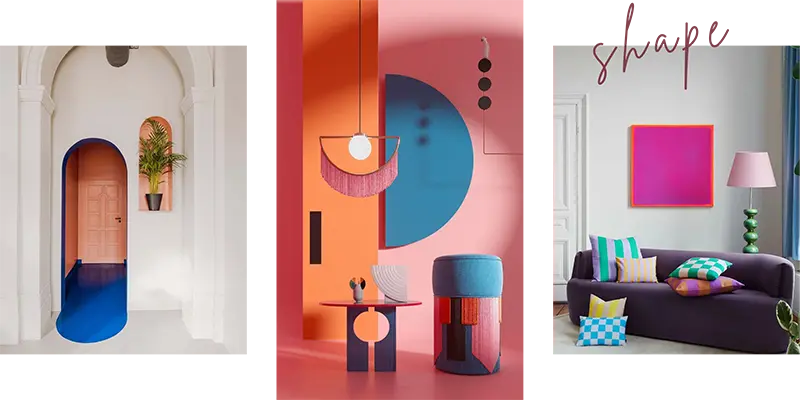
Element 3: Crafting Aesthetic Forms with Shape
Shape, or form, in design, dictates the contours and outline of spaces and objects within them, influencing both functionality and aesthetics. From organic curves that flow naturally to geometric lines that structure and define, the shapes you choose can tell a story or set a mood.
Image source: Pinterest
Embracing Organic and Geometric Shapes
Tip: Combine organic shapes for a more natural and fluid feel, or opt for geometric shapes for a contemporary and structured look.
"Mixing curvaceous furniture with angular accessories can create a harmonious interplay of organic and geometric shapes, adding depth and character to your design."
Shapes have the power to evoke feelings and set the tone of a room. Organic shapes, inspired by nature, offer a sense of comfort and flow, while geometric shapes bring order and clarity.
A prime example of shape and form in design is the National Gallery of Victoria (NGV) in Melbourne, defined by strict geometric form. Internally, Australian ceramics and Indigenous art often feature organic, flowing shapes, demonstrating how natural forms can interact powerfully to challenge conventional boundaries within a fixed architectural space.
Experiment with a mix of shapes in your design projects to find a balance that appeals to your aesthetic preferences and meets the functional needs of the space.
Playing with Negative Space within Forms
Tip: Use negative space intentionally to highlight and emphasise the positive shapes in a design.
"Choosing a minimalist dining table with open space underneath can showcase the negative space, allowing the surrounding chairs to become focal points, merging form and function seamlessly."
Negative space plays a key role in defining how a design is perceived. The minimalist aesthetic popularised in Australia often emphasises negative space, like floating shelving or slimline, handleless kitchen cabinetry. This enhances the room's visual clarity and makes the occupied forms more impactful, a technique vital in maximising smaller spaces.
Incorporating negative space into your designs not only adds depth but also helps in creating focal points and enhancing the visual clarity of the space.
Balancing Proportions in Form Design
Tip: Consider the scale of furniture and decor elements to maintain a harmonious balance in the overall design.
"In a spacious living room, opt for larger furniture pieces to create a sense of proportion, avoiding overcrowding and ensuring each element complements the overall aesthetic."
Proportion and scale are essential in creating a balanced and cohesive space. The work of influential Australian designers like Glenn Murcutt, known for his deeply contextual designs, underscores the importance of proportion and scale in achieving aesthetic harmony and functional efficiency in design, particularly his precise ratio of structure and how this relates to the vast Australian landscape.
Experiment with different proportions and scales in your projects, keeping in mind that the goal is to create a balanced composition that feels both comfortable and visually pleasing.
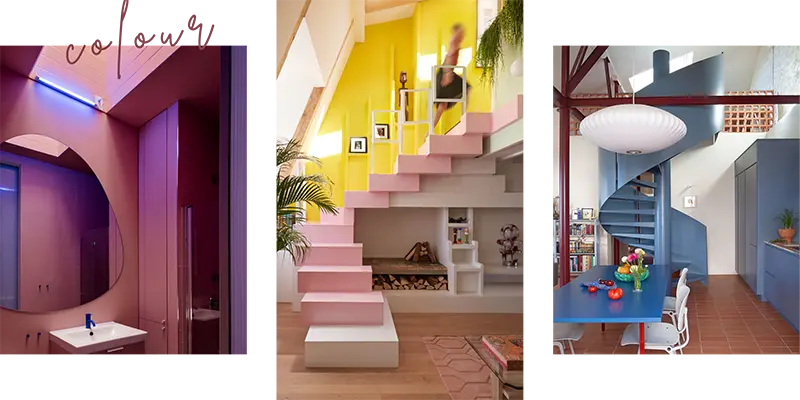
Element 4: Infusing Life with Colour
Colour, one of the most impactful elements of design, influences mood, creates atmosphere, and gives character to spaces. It's a powerful tool in the designer's palette, capable of transforming environments from the mundane to the extraordinary.
Image source: Yellow Trace
Understanding Colour Psychology
Tip: Experiment with accent colour to evoke specific emotions and create focal points within a room.
"In a bedroom, incorporating vibrant accent pillows or a bold-coloured accent wall can evoke energy and passion, transforming the space into a lively and emotionally engaging retreat."
Colour psychology explores how hues affect feelings and behaviours. Australian designers often use natural, muted, and earthy colour palettes, reflecting our sun-drenched landscape and coastal lifestyle, to infuse spaces with a sense of calm and connection to nature - a key design element for the Australian climate and environment.
Embrace the emotional impact of colours in your design projects, using them intentionally to create the desired atmosphere.
Achieving Harmony in Colour Palettes
Tip: Use a cohesive colour palette throughout a space, incorporating variations in tones and shades for depth.
"Choosing a neutral base of whites and greys and adding pops of a consistent accent colour, like navy blue, can create a sophisticated and harmonious colour palette in a living room."
Harmony in colour palettes brings a sense of unity and completeness. The enduring popularity of the Coastal Hamptons style in Australia, using crisp whites, deep blues, and natural timber, exemplifies a cohesive palette that remains a stylish choice across everything from sleek contemporary homes and rustic beach shacks.
Encourage experimentation with different colour combinations to achieve a balance that resonates with your style while maintaining visual harmony.
Embracing Contrast for Visual Drama
Tip: Pair complementary colours for a dramatic impact, balancing bold choices with more neutral tones.
"In a kitchen, contrasting cabinets with a vibrant backsplash can add visual drama, making the space feel dynamic and visually stimulating."
Colour contrast is a dynamic design tool. Australian designers like Greg Natale are renowned for the use of bold, often unexpected colour combinations and graphic patterns. His Victorian Country House project features vibrant colours and lavish finishes, contrasting with bold, black-stained timber, ebony, and brass. The result is a blend of boutique-hotel elegance and country-club exclusivity. This confident approach can turn an ordinary space into a striking visual narrative.
Experiment with contrasting colours to create focal points and inject excitement into your designs, ensuring captivating, uniquely designed spaces.
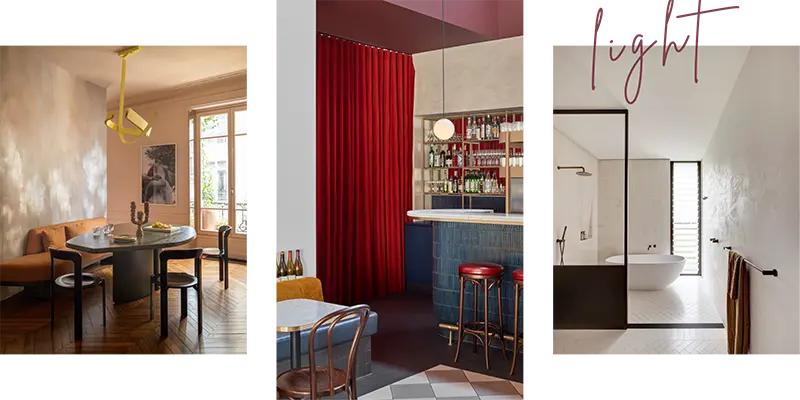
Element 5: Illuminating Spaces with Light
Light shapes our experience of space, affecting mood, colour perception, and architectural appreciation. Skillful use of natural and artificial light can highlight features and set the desired atmosphere.
Image source: Yellow Trace
Harnessing Natural Light for Ambiance
Tip: Enhance natural light with light-coloured curtains and strategic mirror placement.
"Opt for sheer curtains that let sunlight filter through and place mirrors to reflect and amplify light, creating a bright, welcoming atmosphere."
Maximising natural light is particularly important in older Australian homes, like Victorian terraces or worker's cottages. Modern Australian renovations often incorporate large glass sliding doors or skylights to maximise daylight and indoor-outdoor flow, making it a central design feature for creating bright and spacious environments.
Experiment with window treatments and mirror locations to see how they can transform the luminosity and feel of your rooms. The right setup can turn even the darkest space into a sun-drenched sanctuary.
Artful Artificial Lighting Design
Tip: Use unique lighting fixtures as artistic elements as well as light sources.
"A dramatic pendant light or an artistic floor lamp can serve dual purposes, providing necessary illumination and acting as a stunning visual centrepiece."
Artificial lighting is not just about functionality. It's an opportunity to inject style and personality. The elegant, sculptural light fixtures designed by Australian lighting houses like Great Dane or Marz Designs are perfect examples of how light fixtures can be bold statement pieces. These designs often use raw, natural materials like timber and stone, drawing inspiration from the local materials and connection to the landscape.
Experiment with different lighting fixtures to discover how they can change the mood and ambiance of your interiors. From subtle accent lights to bold sculptural pieces, the choices you make can dramatically alter the perception of your space.
Creating Shadows for Dramatic Effects
Tip: Use lighting to create intentional shadows, adding depth and drama.
"Directing light onto a textured wall or architectural feature can create intriguing shadows, adding a layer of sophistication and visual interest."
Intentional shadowing can dramatically enhance a space's aesthetic. A key Australian example is the Shadow House by Grotto Studio. This contemporary home deliberately uses shadow as a design element through the use of materials like charred timber (Shou Sugi Ban) that absorb light, creating strong contrasts and visual interest. The interplay of natural light and shadow creates intentional focal points, particularly highlighting transitions between indoor and outdoor spaces and framing views of greenery.
Experiment with creating shadows in your design to see how they can define and dramatise different areas. Clever lighting can transform an ordinary room into a space filled with mystery and allure, proving that sometimes, it's the shadows that truly shape the light.
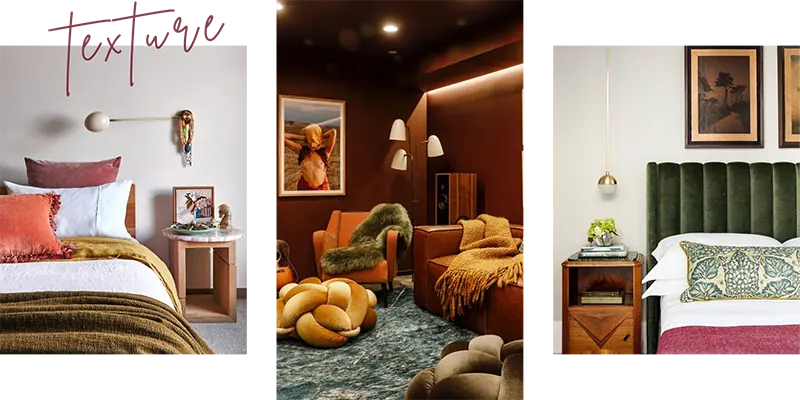
Element 6: Adding Sensory Appeal with Texture
Texture transforms spaces through touch and sight, influencing the atmosphere from sleek elegance to cosy warmth. It plays a crucial role in the overall ambiance, enhancing the dimensionality and engagement of a design.
Image source: Pinterest
Creating Tactile Experiences with Texture
Tip: Mix various textures in fabrics, materials, and surfaces to enrich the environment.
"Integrating a combination like velvet cushions, linen drapes, and a natural wood coffee table can elevate the sensory appeal, adding comfort and visual depth to your living space."
Texture's role isn't just about how things feel; it brings a unique dimension to interiors, making spaces more inviting and engaging. The raw, tactile feel of Australian sandstone used in historic Sydney buildings, or the reliance on local timber and exposed concrete in contemporary design is a perfect example. These textures not only contribute to the visual appeal but also enhance the overall sensory experience, grounding the design in the local landscape and climate.
Experimenting with different textures can transform a room from flat to fascinating. Try combining smooth leather with soft, plush fabrics or adding a rough, rustic wood piece to a sleek, modern decor to see how these textures play off each other, creating a more dynamic and inviting atmosphere.
Mixing Textures for Dimension
Tip: Layering textures can add depth and interest to any space.
"A plush shag rug over sleek hardwood floors, coupled with soft throw pillows on a sturdy leather couch, can create a layered, inviting space."
The mix of textures can create a sense of depth that makes interiors feel more of a lived-in, personal space. Australian design firms like Arent & Pyke demonstrate how blending natural textures (particularly linen, wool throws, and raw timber) can achieve a luxurious, relaxed look for comfortable Australian living and light, layered interiors.
Experimenting with layering different textures in your home can reveal new ways to enhance its aesthetic and comfort. Whether it's through rugs, throws, or wall art, each element can contribute to a richer, more nuanced design.
Balancing Smooth and Rough Surfaces
Tip: Strategically contrast textures to craft a balanced and welcoming atmosphere.
"Combining a sleek marble tabletop with a rough, natural wood base can strike a perfect balance, adding sophistication to any dining area."
Finding the right balance between smooth and rough textures is crucial. A key Australian example is the Alexander House in Sydney designed by Alexander&CO. The residence showcases a masterful contrast of smooth polished microcement and concrete surfaces alongside the rough, natural textures of timber, rammed earth brick, and stone. The resulting spaces feel warm, sculptural, and deeply connected to the natural environment through this deliberate textural interplay.
Experiment with contrasting textures in your own designs to discover the perfect blend that brings warmth, depth, and character to your spaces.
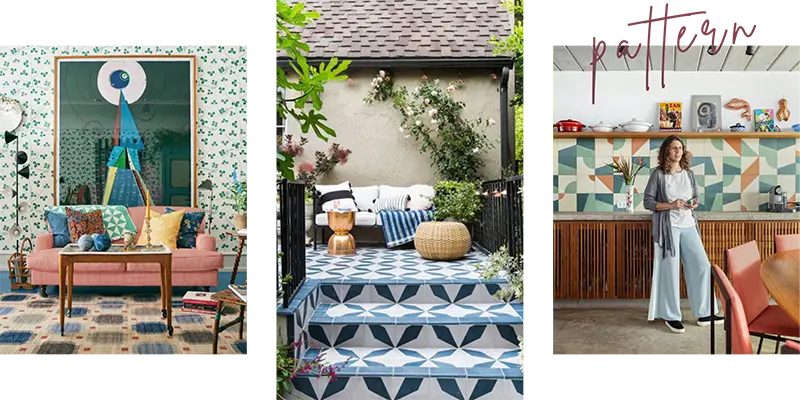
Element 7: Weaving Stories with Pattern
Pattern adds visual rhythm and interest, conveying personality and energy. Whether bold or subtle, patterns can unify a design, drawing attention and injecting character into a room.
Image source: Pinterest
Strategic Placement of Patterns
Tip: Use patterns strategically to enhance focal points without overwhelming the space.
"Incorporate patterned throw pillows on a solid sofa or a bold rug in a neutral room to add interest and personality without dominating the design."
Patterns can dramatically alter the character of a room, infusing it with energy and depth.
Australian textile designers like Florence Broadhurst excelled at using bold, often geometric or Chinoiserie-inspired patterns to create rich, engaging interiors. This demonstrates that with careful placement, confident Australian patterns, from native florals to complex abstract motifs, can breathe life into any space.
Experiment with patterns in various elements to find the right balance. Whether through textiles, wall coverings, or flooring, patterns can serve as the visual spice that completes a room's design recipe.
Exploring Cultural Patterns in Design
Tip: Incorporate cultural patterns for depth and global flair.
"Frame intricate cultural textiles for the walls or use patterned ceramics as accents to introduce a rich layer of global influences into your design."
Traditional patterns add cultural and historical depth. Indigenous Australian art motifs and the distinctive native floral prints (like those featuring wattle or gum leaves) are beautiful examples of how Australian cultural patterns can be reimagined in contemporary design, offering a deep connection to the land and a rich narrative element within local spaces.
Experiment with cultural patterns to add uniqueness and personality to your spaces. This exploration can lead to a more nuanced and eclectic aesthetic that reflects a diverse range of inspirations.
Harmonising Multiple Patterns
Tip: Unify diverse patterns with a consistent colour palette for cohesion.
"Mixing a striped sofa, floral pillows, and geometric curtains in shared colours can harmonise different patterns, enriching the room's visual texture."
Successfully blending multiple patterns requires a keen eye for balance and harmony, as seen in the work of Australian interior stylists like Anna Spiro or Sibella Court. They use eclectic patterns brilliantly, uniting diverse fabrics and antique textiles within a cohesive aesthetic framework that feels layered, personalised, and uniquely Australian.
Experiment with combining various patterns, focusing on colour, scale, and rhythm to achieve a dynamic yet unified look. This approach can turn an ordinary room into a testament to your design prowess and creativity.
Final Thoughts: Crafting Timeless Designs with Mastery
Mastering the 7 elements of design is fundamental to creating spaces that are not only aesthetically pleasing but also stand the test of time, essential for enhancing flow, maximising the unique Australian light, and connecting indoor and outdoor living areas.
Each element, from the manipulation of space in city apartments and modern homes to the infusion of light and colour, plays a pivotal role in crafting environments that reflect both expertise and artistic flair. The direction towards mastery is one of continuous growth and creativity, where each project presents a new opportunity for exploration and refinement.
Want More?
Are you intrigued by the depth and potential of interior design? The exploration of design elements is just the beginning. Dive deeper into the essential aspects of design with The Interior Design Institute's comprehensive online interior design course, where you'll uncover the principles and practices that ignite creativity and excellence in design. Whether you're a budding designer or looking to refine your skills, our course offers a rich journey into the art and science of creating beautiful, functional spaces.
Take the plunge into the world of interior design and embark on a journey that transforms your passion into mastery. Ignite your creativity, refine your skills, and start crafting the spaces that tell your unique design stories today.








 Argentina
 Austria
 Belgium (NL)
 Bolivia
 Canada (FR)
 Chile
Chile
 Colombia
 Costa Rica
 Ecuador
 France
 Germany
 Hong Kong
 India
India
 Indonesia
 Ireland
 Japan
Japan
 Malaysia
 Mexico
 Netherlands
 New Zealand
 Paraguay
 Peru
Peru
 Philippines
 Qatar
Qatar
 Singapore
 South Africa
 Spain
Spain
 Switzerland (FR)
 United Arab Emirates
 United Kingdom
 United States (EN)
 Uruguay