Mid-century modern (MCM) design balances functional beauty with a connection to the natural world. It emerged between 1945 and 1969 as architects moved away from heavy decoration toward industrial materials and organic shapes.
This article offers an initial planning blueprint for interior designers looking to master the style. We’ve collected proven tips and timeless ideas that make this look work perfectly for modern family homes.
In short…
Mid-century modern interior design prioritises a "low and lean" profile. Choose sofas and sideboards with tapered peg legs to keep sightlines and floor space clear.
Mix industrial textures like steel or glass with warm organic materials like walnut and teak to prevent the room from feeling too clinical.
Blur the boundary between your garden and your home by using floor-to-ceiling windows and keeping window treatments minimal or non-existent.
Successful interior designers choose mid-century modern for its uncluttered layout and organic flow to create a warm space that remains practical for daily life.
This era combined the industrial logic of the German Bauhaus with soft Scandinavian textures. It was the first movement to put human comfort and post-war optimism at the heart of the home.
Furniture pioneers like Charles and Ray Eames used moulded plywood to cradle the body. Eero Saarinen introduced sculptural forms with the Tulip chair. George Nelson invented the storage wall to hide clutter.
Architects like Richard Neutra and Mies van der Rohe replaced brick walls with floor-to-ceiling glass. This brought the garden inside and created the open-plan living we use today. This shift in mid-century modern architecture focused on transparency and integration with the landscape.
Mid-Mod Style and Aesthetics
Defined by clean lines and organic curves, this look prioritises honest materials like teak, walnut, leather, and glass. You’ll find open floor plans that maximise natural light alongside bold geometric patterns and earthy palettes accented by mustard or teal. It stays popular because its wooden warmth softens the edges of industrial or boho styles. Plus, high-quality reproductions mean you can enjoy these practical, durable pieces on any budget.
How to Create a Mid-Century Modern House (Room by Room)
Mid-century modern interior design can turn a cluttered house into a serene sanctuary of light and wood. We've broken down the style room by room so you can apply these timeless principles to your own floor plan.
Mid Century Modern Living Rooms
Your living room should feel like a breathable gallery where sculptural furniture meets total relaxation.
Keep it Low: Anchor the space with a low-slung sofa and walnut sideboards with tapered legs.
Add an Icon: An Eames-style lounge chair or a Saarinen side table provides a functional focal point.
The Heart of the Room: A mid-century modern fireplace often acts as the anchor for the space. Look for floating hearths or stacked stone finishes to create a classic look.
Layer Lighting: Mid-century modern lighting is about form as much as function. Hang a Sputnik chandelier as a central piece and an arc lamp over your reading chair.
The kitchen acts as a streamlined hub where warm wood grain meets bold utility.
Focus on Wood: Use walnut or teak veneers for cabinets to balance cold modern appliances.
Statement Stools: Pair your island with Eames-style bar stools with slim metal legs and moulded seats.
Bold Tiles and Walls: Use hexagonal or vertical tiles for your backsplash. You can also introduce mid-century modern wallpaper in geometric patterns to add personality.
Minimal Hardware: Look for slim finger pulls or integrated handles to keep the focus on the wood.
Check out these home tours to inspire you on the mid-century modern aesthetic.
Merricks House:
The Local Project
shows an Australian home by Aktis Architects using concrete and timber to bridge the gap between indoors and out.
Inner-City Share House:
This stylish Melbourne apartment, featured on
The Design Files
,
shows how mid-century furniture can bring warmth and character to rental living. Timber ceiling beams, exposed brick walls, and thoughtfully curated vintage pieces make this inner-city share house feel cohesive, creative, and effortlessly cool.
A 1960s Gem:
Homeworthy features a Utah designer’s home that uses bold
colours
and original skylights, proving that this style can be playful.
Regional Ranch Style:
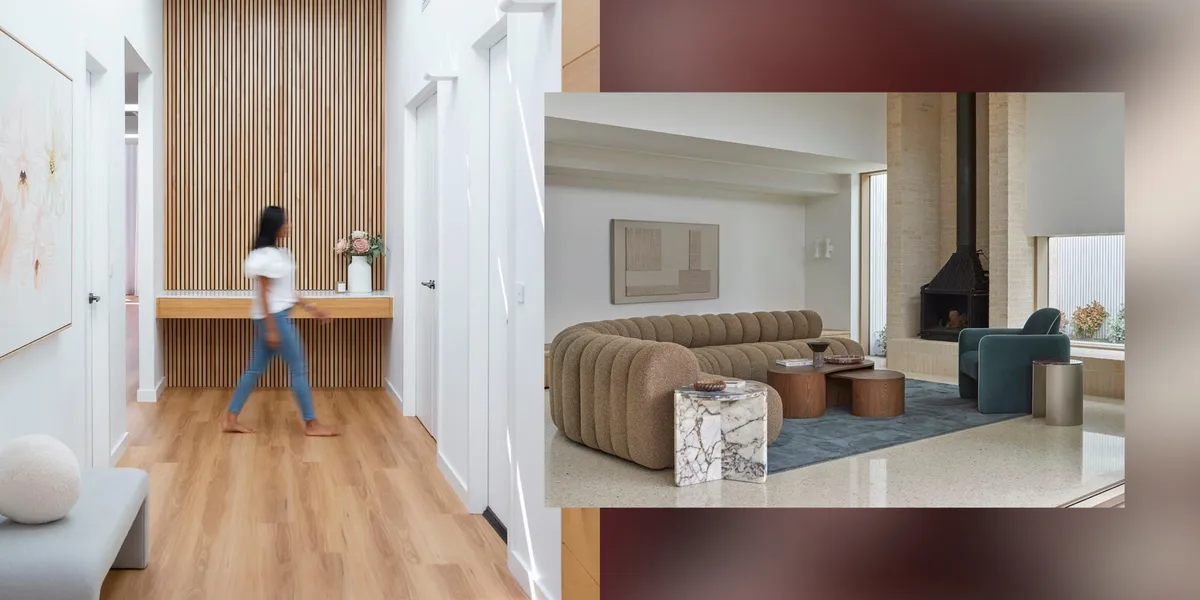
These Austin ranches and LA maximalist spaces show how to use terrazzo floors and wood panelling in different climates.
Continue Your Learning with an Interior Design Course
Mid-century modern interior design proves that clean lines, thoughtful proportions, and natural materials never go out of style. In Module 2 of our online interior design course, we explore mid-century modern design in depth—alongside other influential movements—placing it within the broader history of interior design and architecture.
Understanding where design comes from is key to designing well today. By learning the why behind iconic styles, materials, and layouts, you’ll build a stronger design vocabulary and make more informed, confident choices in your own work. Our course gives you the tools to translate historical principles into contemporary interiors that feel intentional, layered, and timeless.
And let’s be honest—mid-century modern is just really cool. From sculptural furniture to effortless functionality, it’s a style worth knowing inside and out.
This post was created by the team at The Interior Design Institute and supported by our team of professional
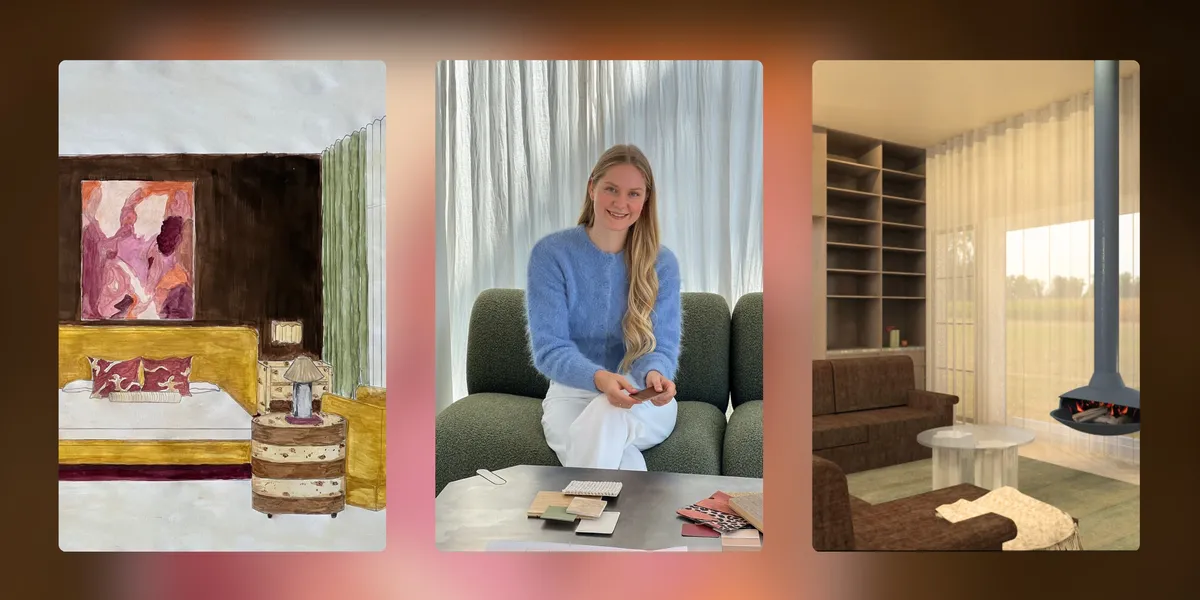
expert tutors. Meet Khamille, one of our expert student guides below:
Khamille draws inspiration from historic design movements like De Stijl and Mid-Century Modern, thoughtfully appreciating their bold geometry, minimalist compositions, and timeless elegance.
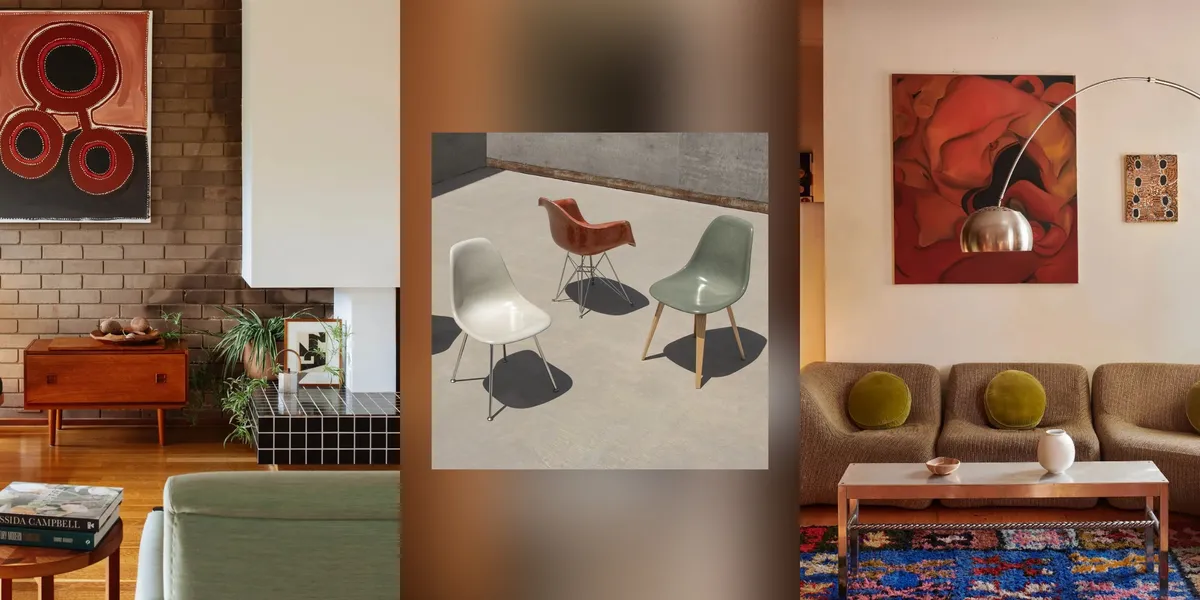 Image Source:
 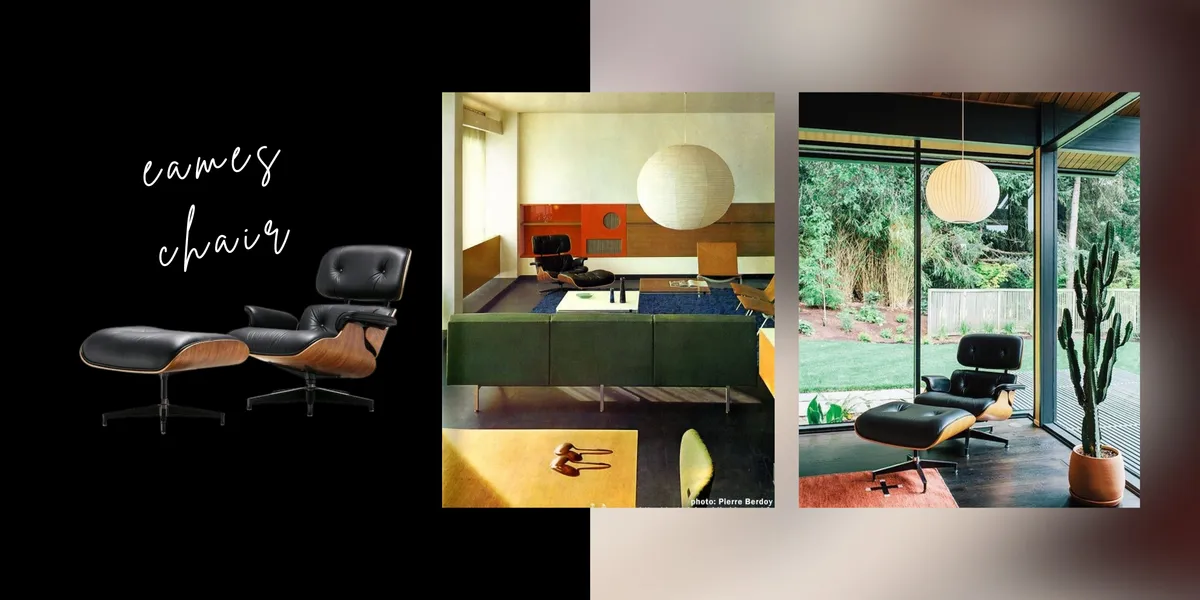 Image Source:
 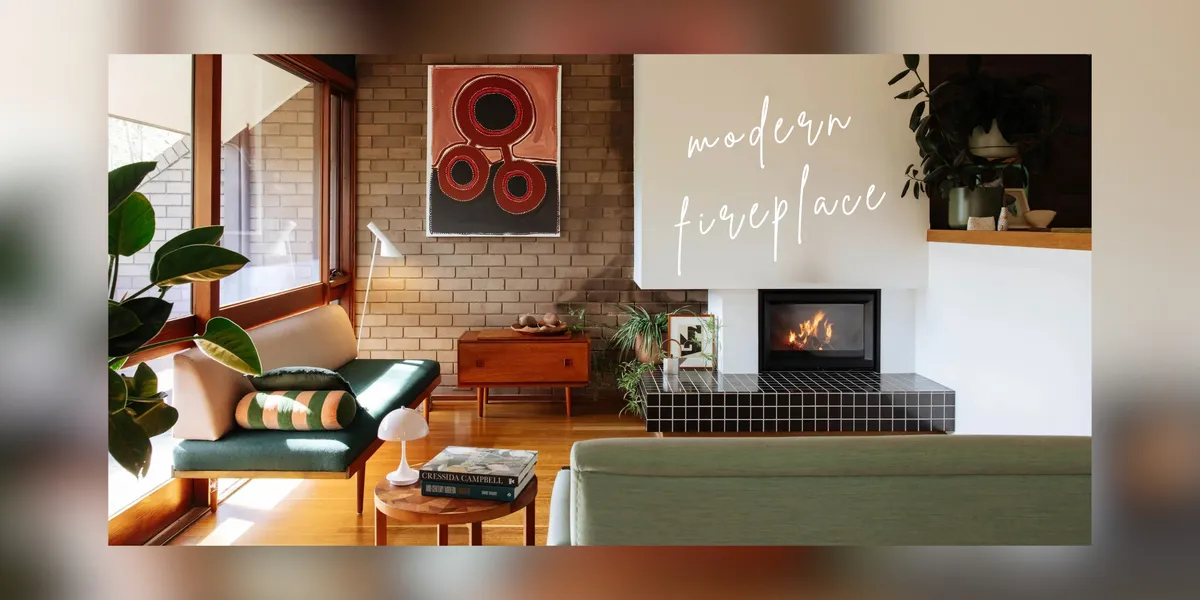 Image Source:
 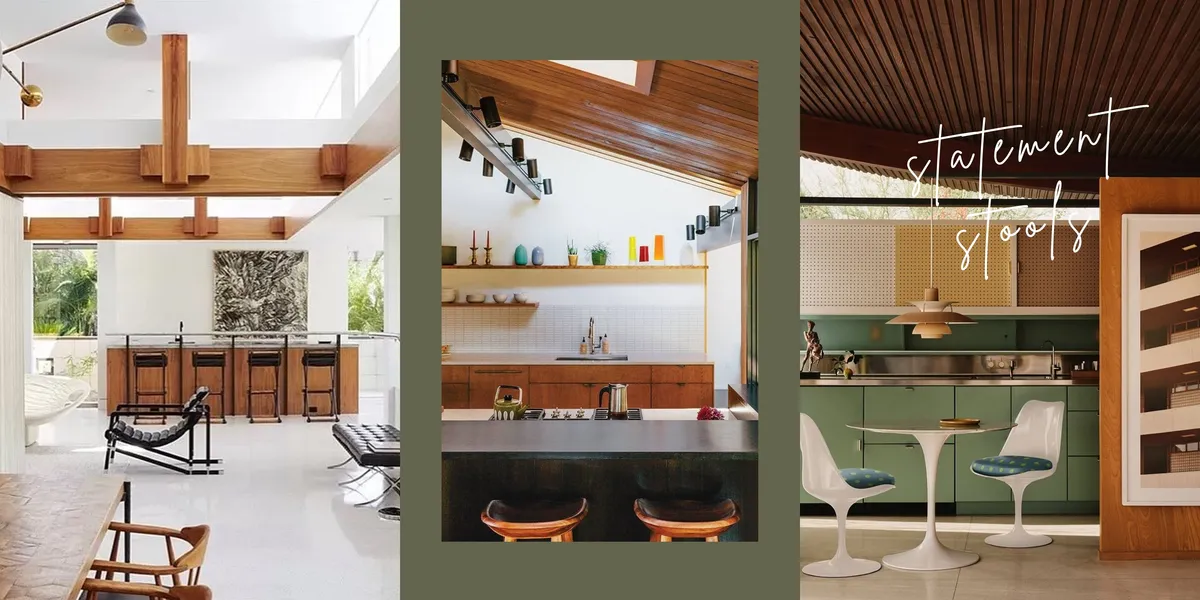 Image Source:
 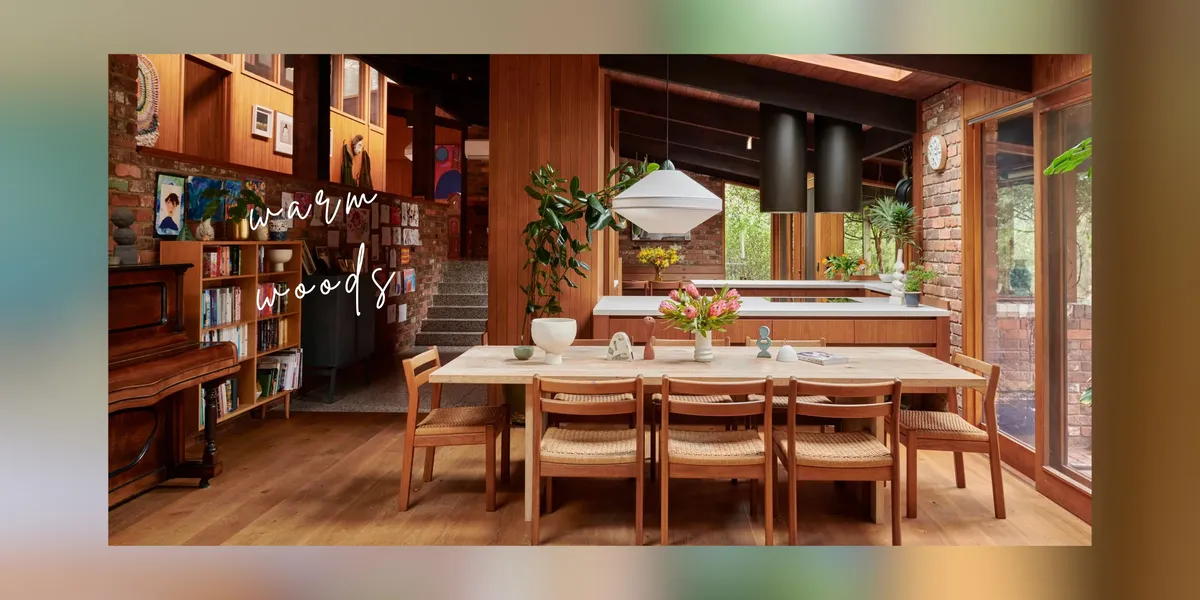 Image Source:
 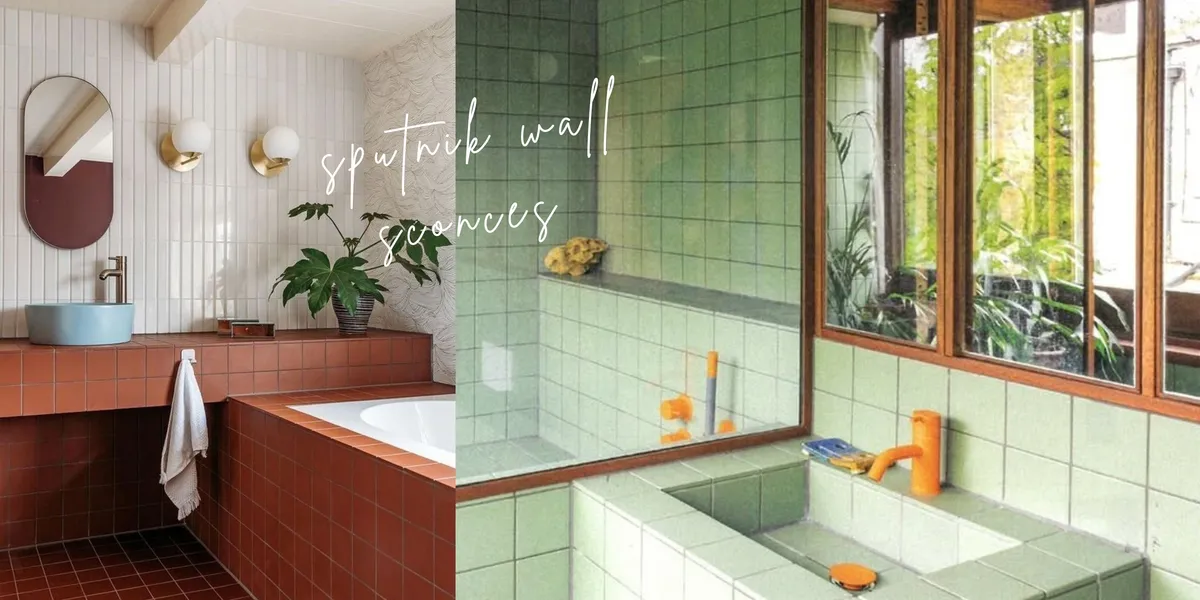 Image Source:
 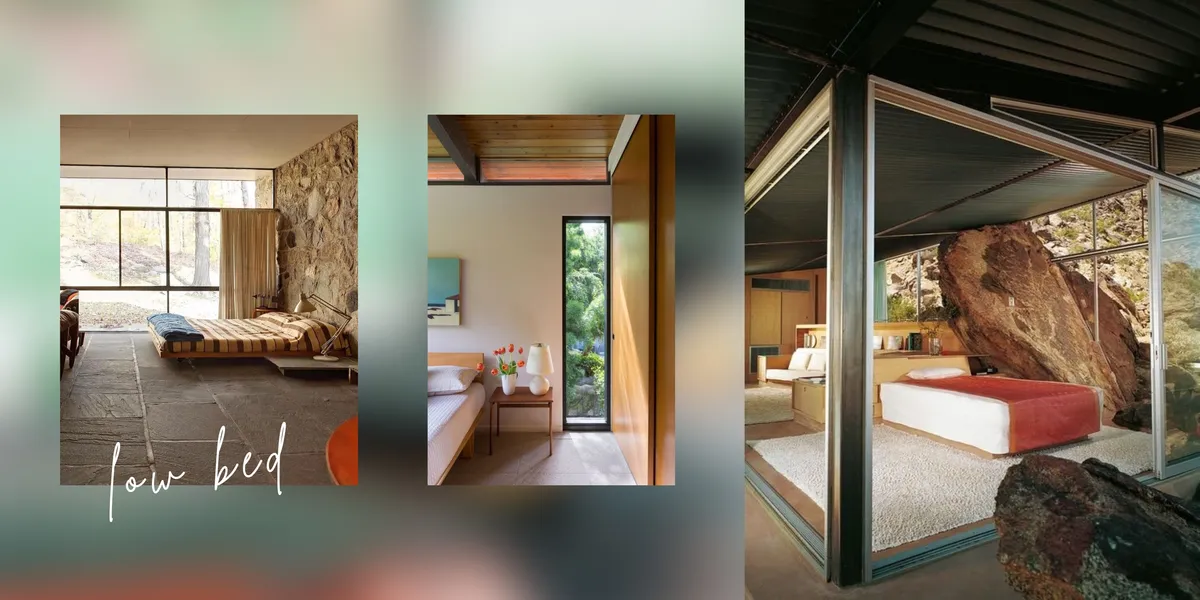 Image Source:
 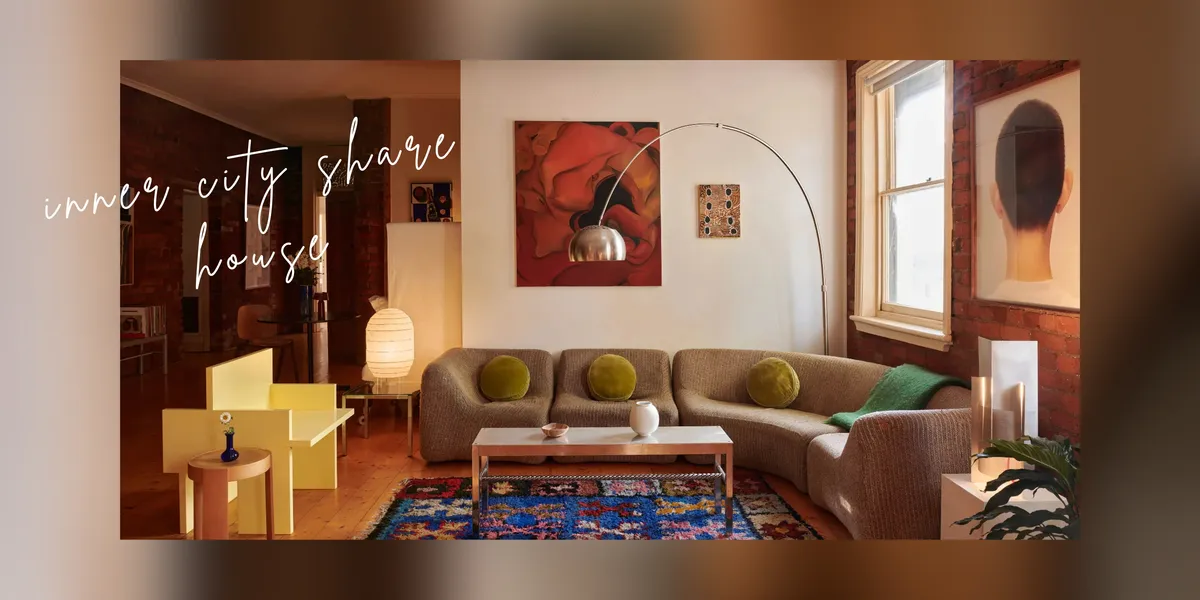 Image Source:
 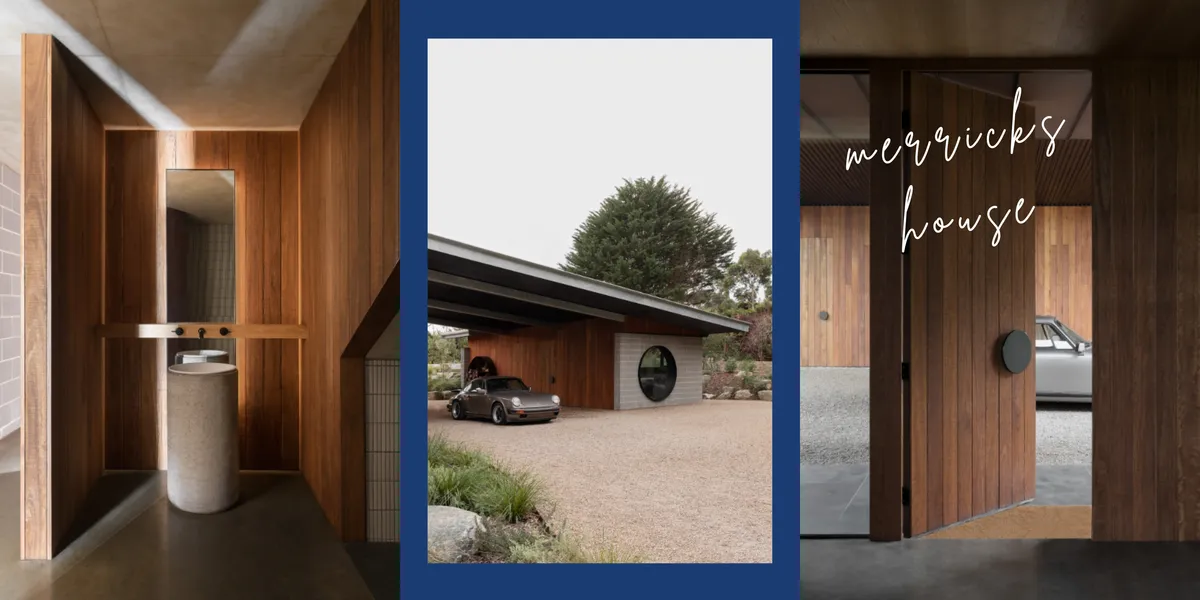 Image Source:








 Argentina
 Australia
 Austria
 Belgium (FR)
 Bolivia
 Canada (FR)
 Chile
Chile
 Colombia
 Costa Rica
 Ecuador
 France
 Germany
 Hong Kong
 India
India
 Indonesia
 Ireland
 Japan
Japan
 Malaysia
 Mexico
 Netherlands
 New Zealand
 Paraguay
 Peru
Peru
 Philippines
 Qatar
Qatar
 South Africa
 Spain
Spain
 Switzerland (FR)
 United Arab Emirates
 United Kingdom
 United States (ES)
 Uruguay