Scandinavian for All Climates: Adapting the Style to Different Regions
Discover the sleek appeal of Scandinavian interior design, a style that's both adaptable and stylish for any climate. At IDI, we offer comprehensive online courses for aspiring interior designers, helping you master the core principles of Scandinavian design—minimalism, functionality, natural light, and the use of organic materials.
Known for creating light, airy, and tranquil spaces that promote well-being, Scandinavian design has gained worldwide popularity. Let’s explore how you can adapt this beautiful design style to different climates while maintaining its core principles.

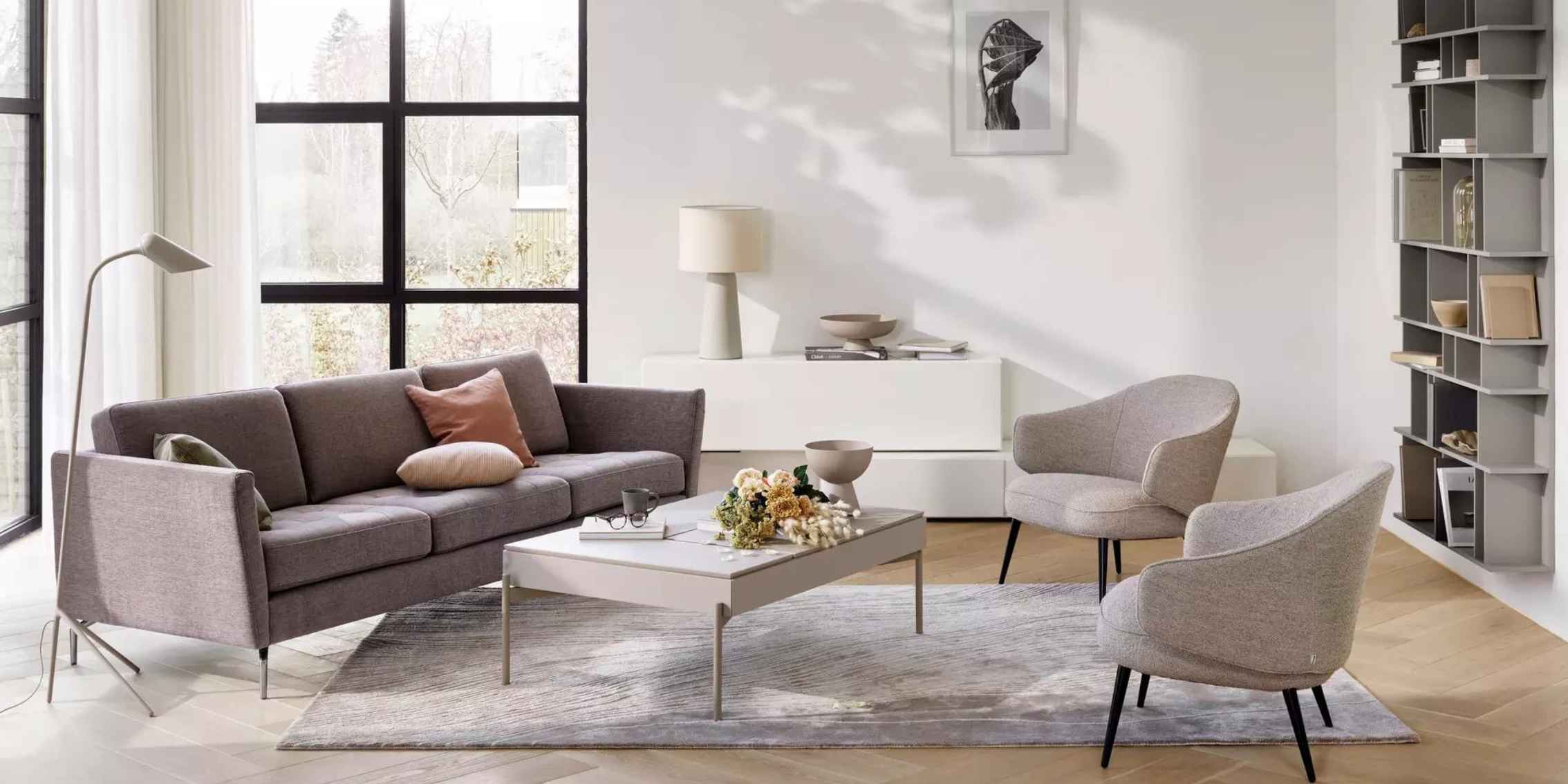
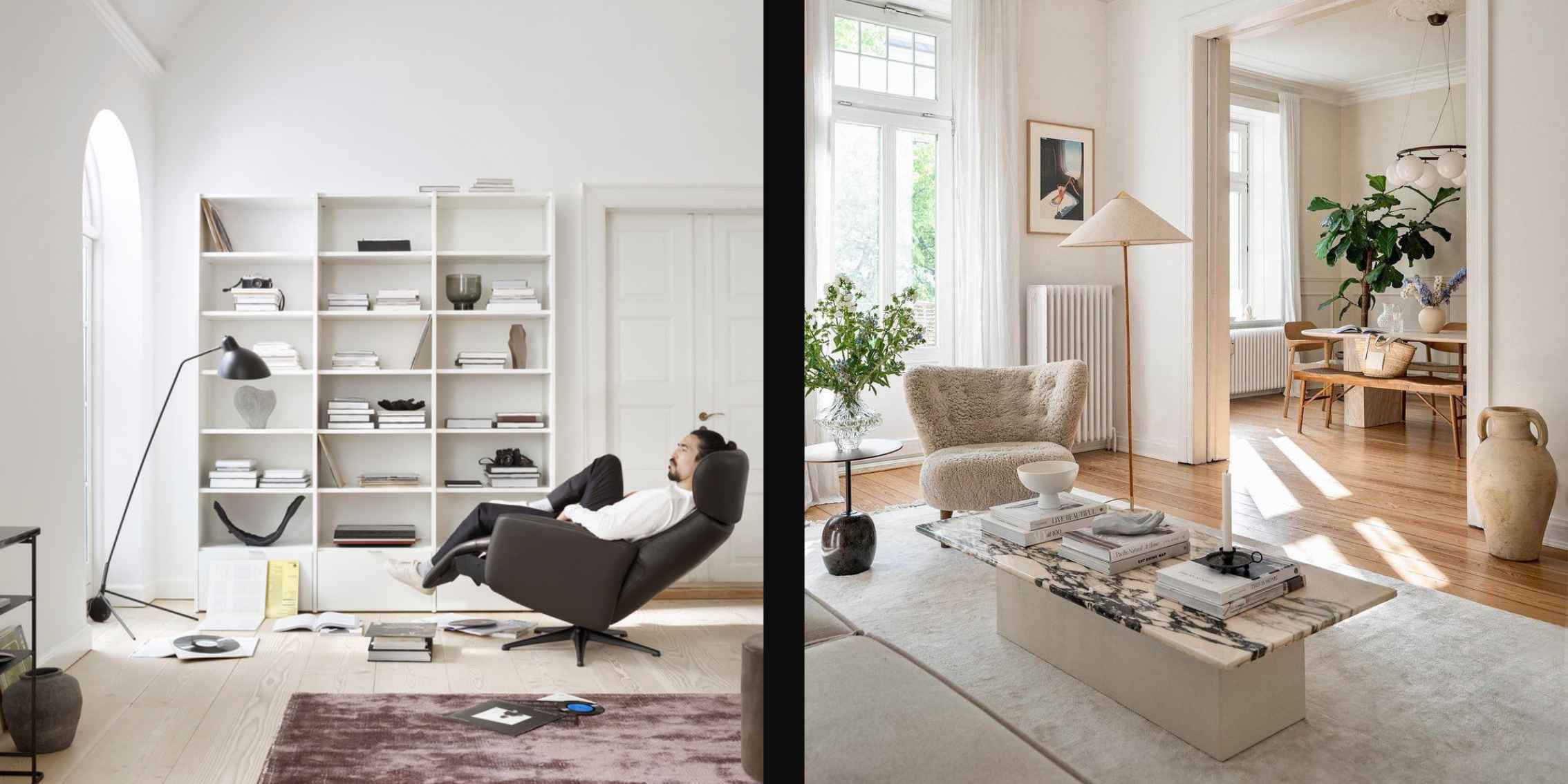
Image source: Bo Concept
The Allure of Scandinavian Design
Scandinavian interior design is regarded worldwide for its ability to create light, airy, and tranquil spaces. Key elements include:
- Clean Lines: Simple, straight lines that contribute to a sleek and uncluttered look. Scandinavian interiors favor furniture and decor with minimalistic silhouettes, reducing visual clutter.
- Light Wood Tones: Utilizing natural wood in lighter shades to bring warmth and a touch of nature indoors. Woods like pine, birch, and ash are commonly used to create a soothing and organic ambiance.
- Neutral Color Palettes: Whites, greys, and muted tones that create a serene atmosphere. These colors reflect natural light, enhancing the sense of openness and brightness.
- Natural Textures: Incorporating materials like wool, linen, and leather to add depth and tactility. These textures contribute to the cozy, inviting feel that Scandinavian interiors are known for.
- Functionality: Prioritizing practicality and well-being through thoughtful design. Every piece of furniture and decor serves a purpose, ensuring that the space is not only beautiful but also highly functional.
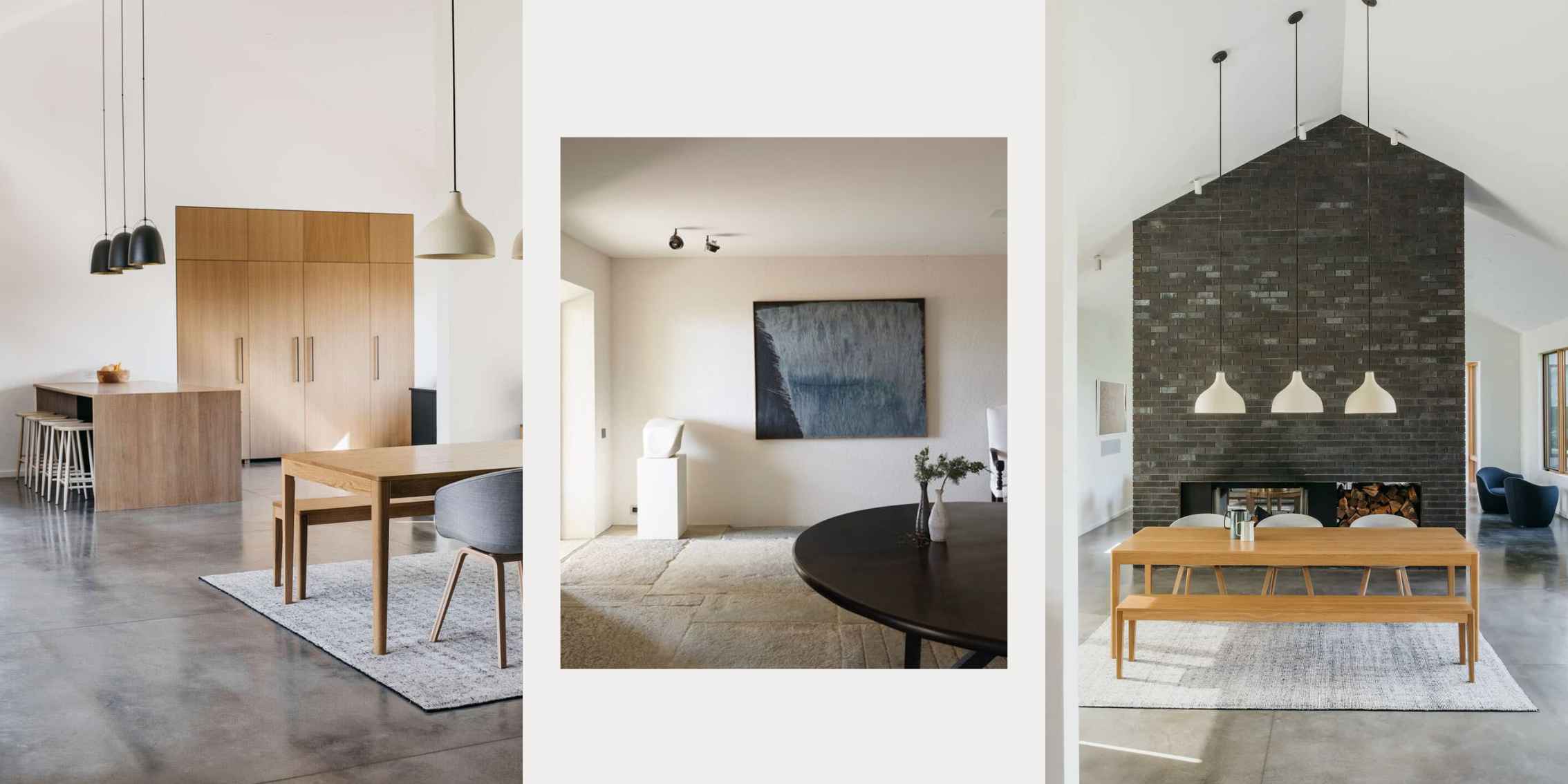
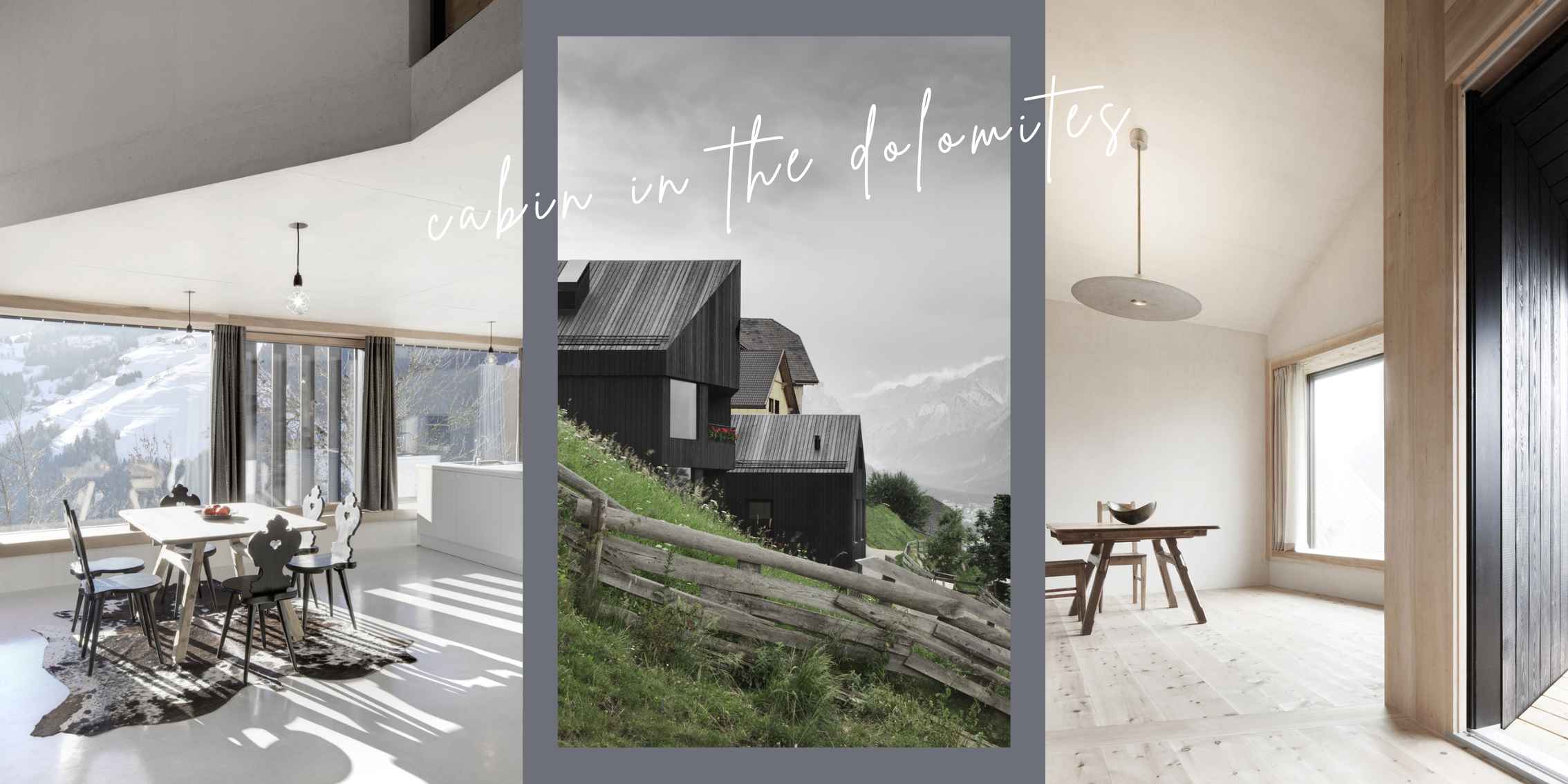
Image source: One Kindesign + Axel Vervoordt
Adapting the Style: Climate Considerations
Scandinavian design's versatility allows it to be tailored to different climates by adjusting materials, colors, and textures:
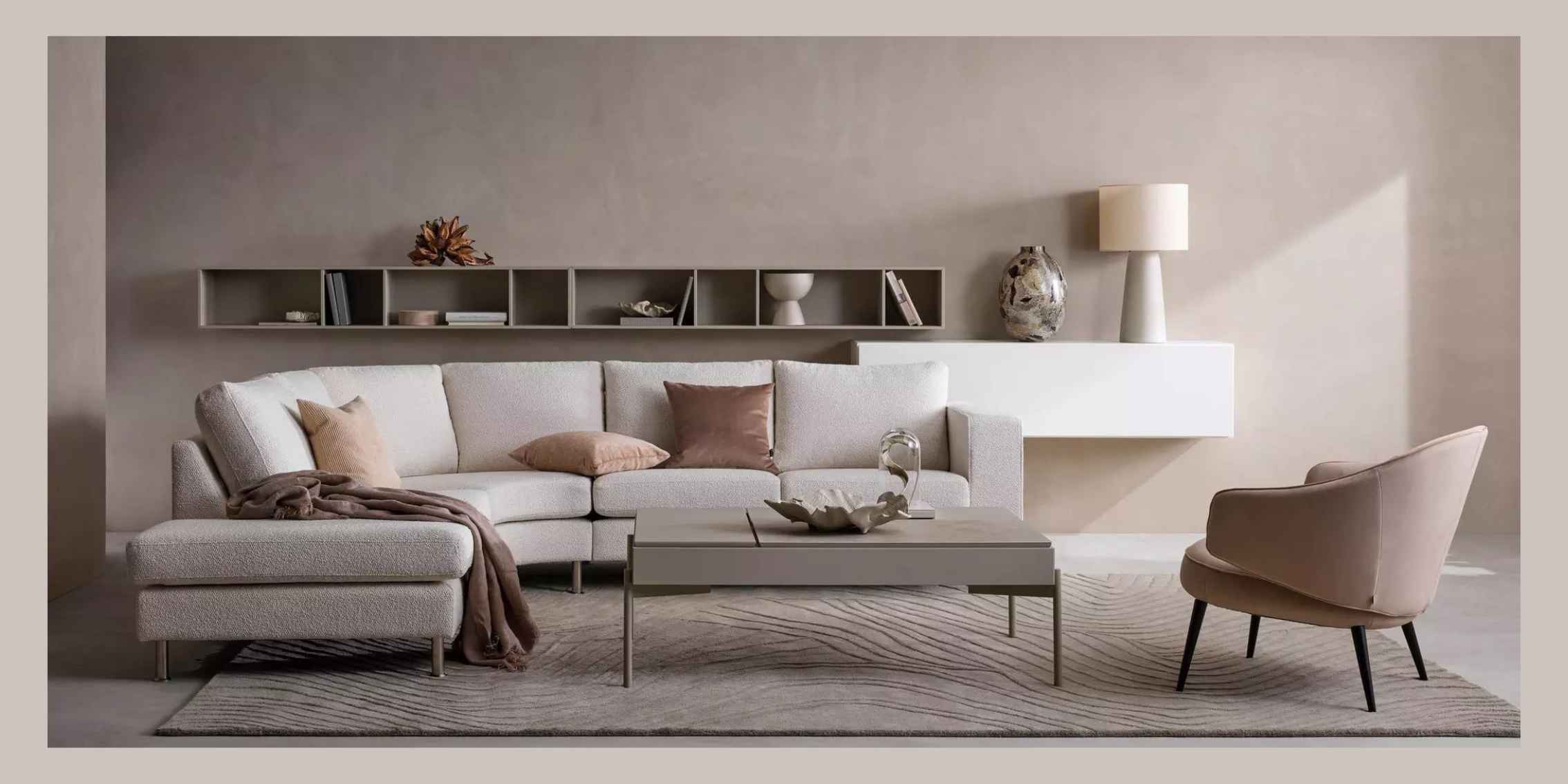
- Hot and Humid Climates: Materials like lighter fabrics and natural {fibres |fibers} such as cotton and linen keep interiors cool and breathable. Opt for cooler tones and light blues to enhance the airy ambiance, creating a sense of calm and freshness in warm climates. Ensure good airflow with open windows and lightweight window treatments to keep the space cool.
- Cold and Dry Climates: Introduce warmer textures like wool rugs, heavy curtains, and cozy throws to add warmth and comfort. Add warmer accents like deep reds and oranges to create a welcoming environment, making the room feel more inviting and cozy. Use thick drapes and rugs to insulate the space and retain heat.
- Temperate Climates: Combine elements from both hot and cold climates using medium-weight fabrics and a balanced color palette featuring both cool and warm tones to suit varying temperatures. A harmonious blend of light and dark shades adapts to seasonal changes, maintaining comfort year-round.
In all climates, maximising natural light through strategic window treatments like sheer curtains or adjustable blinds is essential. Skylights and large windows can further enhance the sense of openness and connection to the outdoors.
Image source: Cosmos
Scandinavian Design Around the World
Explore real-world examples of Scandinavian interior design adapted for different climates:
- Axel Vervoordt's Minimalist Beach House in Ibiza, Spain: This beachfront property uses light, breathable fabrics, natural ventilation, and a palette of whites and cool blues to create a refreshing retreat. Large windows and open layouts enhance airflow and keep the interior cool, effectively combating the Mediterranean heat.
- Cabin in the Dolomites by Pedevilla Architects in Italy: Warm textures such as wool and fur, layered rugs, and warm, earthy tones make this cabin inviting and snug. Heavy drapes and thick rugs provide insulation, while a fireplace serves as a focal point, adding warmth and comfort to the space in the snowy landscape.
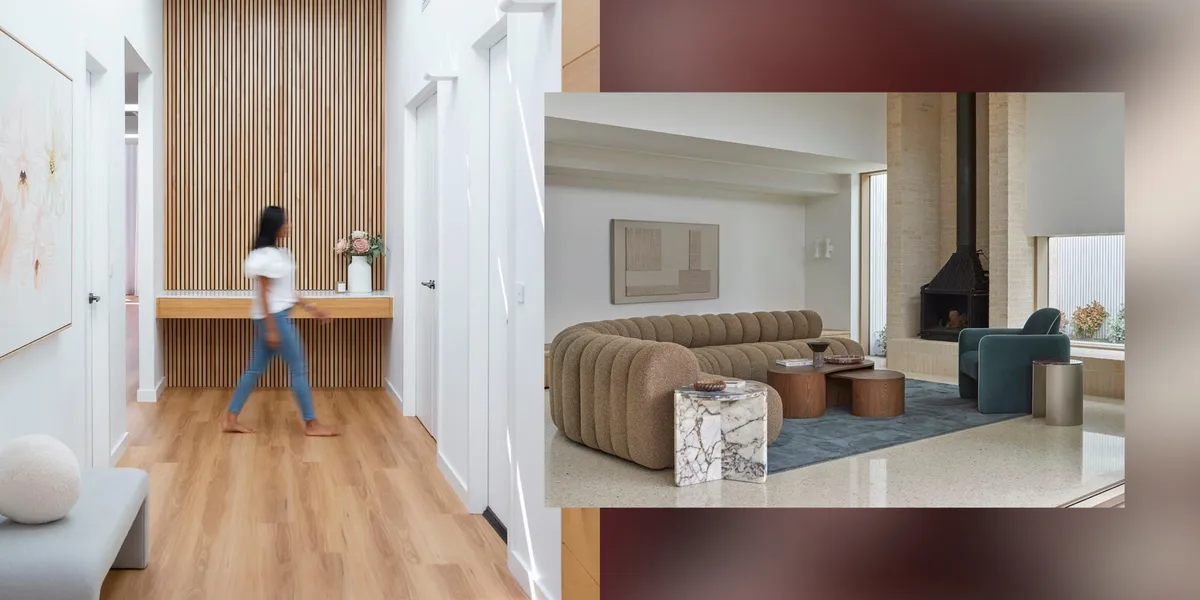
- The Surry Hills Apartment by Nordic Rooms in Sydney, Australia: This modern apartment features a balanced mix of light and dark woods, medium-weight fabrics, and a harmonious color palette that caters to varied seasons. Versatile materials and adjustable window treatments allow for easy adaptation to changing temperatures, ensuring year-round comfort in the temperate Sydney climate.
Each example illustrates how Scandinavian principles can be tailored to different climates, maintaining the design's core essence while enhancing functionality and comfort for specific environmental conditions.
Image source: Arch Daily
A Career in Interior Design
Pursuing a career in interior design offers numerous specializations:
- Residential Design: Craft beautiful and functional homes tailored to individual needs, focusing on creating personalised and comfortable living spaces.
- Commercial Design: Design efficient and aesthetically pleasing spaces for businesses, such as offices and retail stores, where functionality and branding are key.
- Hospitality Design: Create inviting and stylish environments for hotels, resorts, and other hospitality venues, emphasizing guest experience and comfort.
The demand for interior designers who can adapt styles to different climates and meet diverse client needs is on the rise. Our courses at The Interior Design Institute teach essential skills for a successful career, including space planning, material selection, and creating client-focused designs.
Scandinavian Design for Your Region
At The Interior Design Institute, our course curriculum covers:
- Foundational Design Principles: Learn the basics of interior design, including spatial planning, balance, and aesthetic principles.
- Understanding Materials: Gain knowledge about selecting materials suitable for various climates, understanding their properties, and how they interact with environmental factors.
- Practical Exercises: Engage in hands-on projects focused on adapting Scandinavian design to different regions, allowing you to apply theoretical knowledge in real-world scenarios.
Our flexible online learning model allows you to study at your own pace, fitting your education around your schedule. Benefit from the expertise of professional instructors and the support of an online community of design enthusiasts.
Image source: Bo Concept
Master Scandinavian Design and Transform Your Career with The Interior Design Institute
Scandinavian interior design is distinguished by its core principles of minimalism, functionality, natural light, and organic materials. Adapting this style to various climates involves carefully selecting materials, colors, and textures. By mastering these elements, you can create beautiful and functional spaces regardless of the environment. Our online courses provide you with the essential knowledge and skills to excel in a career in interior design, offering a world of opportunities to make your mark.
Ready to master Scandinavian design and explore a career in interior design? Enroll in our online course today! Unlock your potential with IDI and learn how to adapt Scandinavian design to create stunning interiors that work harmoniously in any environment.








 United States (ES)
 Argentina
 Australia
 Austria
 Belgium (FR)
 Bolivia
 Canada (FR)
 Chile
Chile
 Colombia
 Costa Rica
 Ecuador
 France
 Germany
 Hong Kong
 India
India
 Indonesia
 Ireland
 Japan
Japan
 Malaysia
 Mexico
 Netherlands
 New Zealand
 Paraguay
 Peru
Peru
 Philippines
 Qatar
Qatar
 Singapore
 South Africa
 Spain
Spain
 Switzerland (DE)
 United Arab Emirates
 United Kingdom
 Uruguay