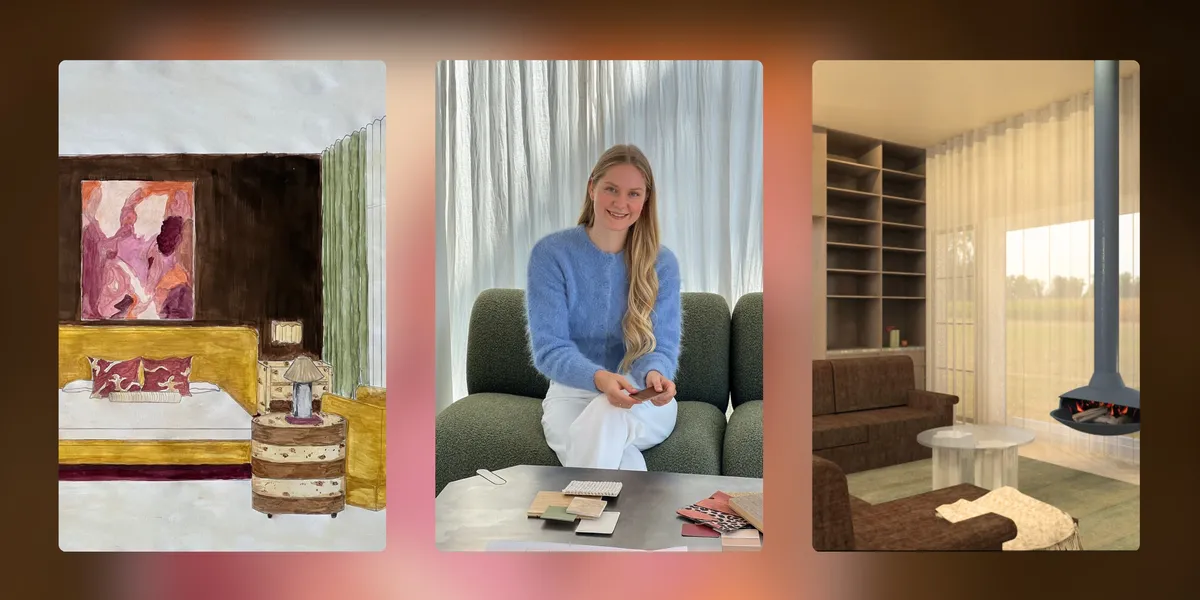
Interior Design Color Schemes - A Beginner’s Guide to Picking the Right Palette
Choosing your first palette feels intimidating. Most people worry about picking "wrong" colors when they should be focusing on how those colours work together.
Top interior designers don't just guess which shades look good. They use a system to build authority into a room through light and contrast.
In this guide, our interior design tutors explain how you can use simple rules to create a home that feels balanced and intentional. Learn more about our tutors.
In short…
- Start with the 60-30-10 rule: Use this ratio to balance your primary, secondary, and accent colors without overwhelming the space.
- Master the wheel: Understand the difference between complementary and analogous paths to create instant harmony.
- Test in real light: Always view your paint swatches in morning and evening light before you commit.
We teach you the science of light and pigment in our online interior design course. It’s the best way to turn your creative eye into technical expertise.
 Image Source: The Interior Design Institute.
Using the Color Wheel in Interior Design
Mastering the color wheel allows you to predict the mood of a room. Interior designers use these three basic paths to ensure their projects feel balanced rather than flat or chaotic.
- Monochromatic path: This uses different shades and tints of a single color. It’s the easiest way to create a calm and sophisticated look.
- Complementary path: This uses colors from opposite sides of the wheel like blue and orange. This creates high energy and bold contrast.
- Analogous path: This uses colors that sit next to each other on the wheel. This feels natural and easy on the eye because it mimics the palettes found in nature.
Quick Palette Generator
Follow this 3-step interactive hook to build a professional scheme in seconds.
- Pick your base: Choose one color you love from the wheel. This will be your dominant hue.
- Find the adjacent: Select the color directly next to it for harmony. This provides a soft transition.
- Add a neutral: Anchor the pair with a stone, oat, or grey. This gives the eyes a place to rest.
Image Source: Muse Design Studio.
Why a Monochromatic Color Scheme Works
Don't believe the myth that one color is boring! It's actually a masterclass in texture and depth. This approach makes a room feel expansive and serene. It's why monochromatic schemes are the first choice for luxury hotel suites and modern minimalist homes.
- Pick your base: Start with a mid-tone like sage green or soft navy. This is the "true" version of your color.
- Add tints: Use lighter versions for your walls or large furniture pieces. You create these by adding white to your base hue.
- Add shades: Use darker versions for accents like cushions or rugs. You create these by adding black to your base.
- Mix textures: Use velvet, linen, and wood to stop the room from looking flat. The light will hit these materials differently to create natural variations in tone.
Image Source: Vogue Australia.
The Rise of Interior Design Pastel Color
Pastels are officially growing up in 2026. They're the secret to adding color without the visual noise or the "nursery" association.
- Use near-neutrals: Choose dusty rose or mint to add subtle interest while keeping the room professional.
- Stretch the space: Use light hues to help small or dark rooms feel more airy and expansive.
- Prioritize mood: Swap intense brights for calming lavenders to maintain a stylish and stress-free environment.
2026 Trends Snapshot
The 2026 forecast is ditching artificial brights for "grounded joy" and earthy, natural connections.
- Swap the neons: Replace flat oranges with deep, earthy terracottas for a more mature aesthetic.
- Go biophilic: Integrate rising greens to help your interior space connect with the natural world.
- Create warmth: Mix soft pinks with sandy neutrals to build a "sunset" glow that lasts all year.
For more interior design color trends, check out our blog: What is Dopamine Decor? Exploring the Maximalist Revival.
Mastering the Neutral Color Palette
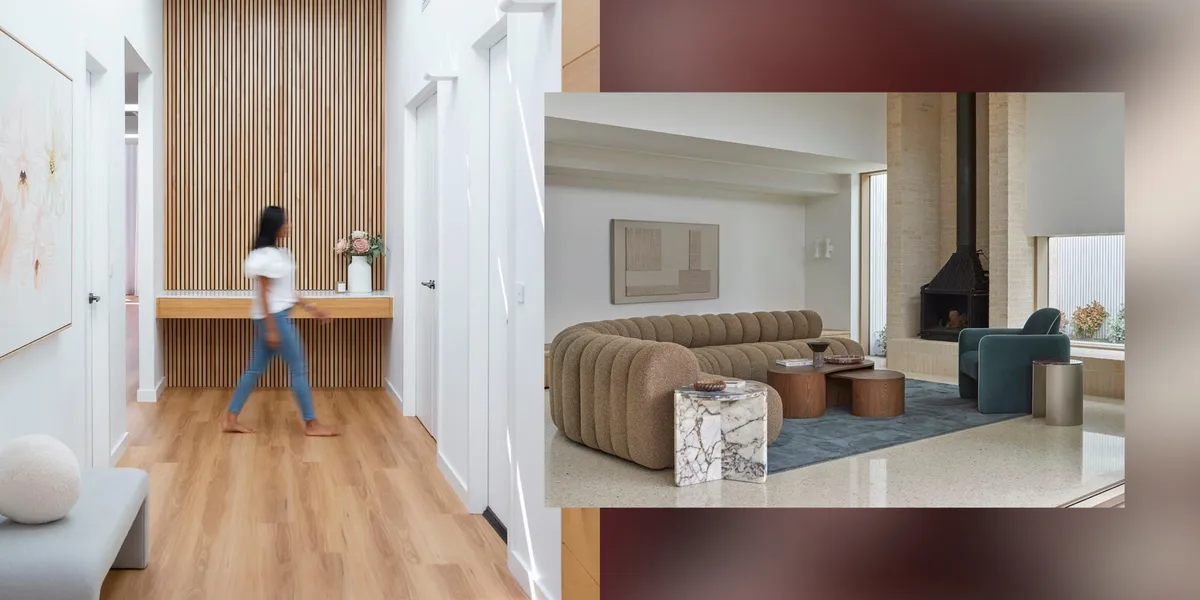
Neutrals are the high-performance workhorses that stop your home feeling like a random collection of rooms.
- Look beyond beige: Layer greys, stones, and charcoals to let your art and furniture take centre stage.
- Unify the flow: Create a cohesive "red thread" by carrying one neutral tone throughout the property.
- Master the light: Balance your room's natural orientation with specific warm or cool undertones.
Expert Tip: Always check your neutral swatches in the morning and afternoon. South-facing rooms need warm undertones to balance cool natural light, while north-facing spaces thrive with cooler neutrals to handle the warm sun.
Image Source: The Interior Design Institute.
How to Balance Your Room: The 60-30-10 Rule
This rule is the secret sauce for a professional finish. It stops you from overusing bold colors and ensures your room feels cohesive rather than messy.
- 60% Primary Color: Your main background "canvas." Use this for walls, large rugs, or sofas to set the background mood.
- 30% Secondary Color: The supporting act. Use this for curtains or accent chairs to add interest and contrast without overwhelming the space.
- 10% Accent Color: The room's jewellery. Use this for cushions, art, or decor to add a saturated "pop" that draws the eye
Image Source: The Interior Design Institute.
7 Real Palette Examples for Your Home
Use these visual anchors to find the right mood for your project. When it comes to color palettes, interior designers should start with a clear vision of the final atmosphere.
- Monochromatic Sage: Layered greens with light oak furniture. This feels like a forest retreat and works best in bedrooms or home offices.
- The Modern Classic: Navy blue, crisp white, and gold accents. This is a timeless look that signals authority and luxury. It is perfect for formal dining rooms.
- Earthy Hearth: Terracotta walls with sage green cushions and cream rugs. This palette feels grounded and welcoming. It's ideal for kitchens and family living areas.
- Scandi Sunset: Soft peach pastels paired with cool stone greys. This is a modern twist on the minimalist look. It adds warmth without sacrificing the clean aesthetic.
- Biophilic Bold: Deep forest green with brass hardware and tan leather. This combination brings the outside in. It feels expensive and moody.
- The Soft Minimalist: Oat, sand, and charcoal for a high-end quiet luxury feel. This relies on the quality of the materials rather than the boldness of the hues.
- Playful Pastel: Lavender and mint grounded by warm walnut wood. This is a great way to use color in a light-filled sunroom or guest bedroom.
Go deeper and test your creativity in our Beginner's Guide to Creating Analogous Colour Schemes for Any Space.
Image Source: @interieurcharmeur.
Common Mistakes to Avoid
Even experienced designers can fail if they ignore these foundational principles. Don't let these three common traps ruin your palette.
- Ignoring undertones: Avoid "dirty" walls by testing your neutrals together on a large white board before painting.
- Overusing accents: Stick to the 10% rule for your boldest shades to prevent your room from feeling chaotic.
- Forgetting room light: View large paint samples in your specific space at different times of day to catch shifting hues.
Image Source: @tash_lickcolour.
Start Your Interior Design Journey
You've seen how a few smart rules turn a random palette into a professional scheme. The real secret to high-end design is mastering the science behind the hues.
In Module 6 of our online interior design course, we teach you how light and psychology alter the mood of a space and help you master the technical paint systems and specifications that pros use every day.
Download our free course guide to see how your eye for style can become a certified career.
Frequently Asked Questions
What is the best interior design color palette for a small room?
Light neutrals and cool pastels reflect light and make walls feel like they're receding. This makes a small space feel airy and larger than its footprint. Avoid heavy color in windowless rooms unless you're creating a dramatic jewel box effect.
How do I choose a color scheme for my whole house?
Pick one hero color and carry it through every room to create a red thread. You might use it as a wall Color in the hall and an accent on lounge cushions. This unified approach stops your home feeling like random rooms.
Can I mix warm and cool color?
Yes, we definitely recommend it. A cool blue room needs the warmth of wooden furniture or brass lamps to feel balanced and comfortable. Our online course explores this science of contrast in depth to help you create harmonious spaces.
Is it okay to use dark color in a dark room?
Yes. Painting a dark room white often makes it look dingy, so embracing deep navy or forest green is a better choice. This creates a cosy, dramatic effect that works well with layered lighting.
How do I find my personal design style?
Pin fifty images of rooms you love to a digital mood board without overthinking. After a week, you'll see a pattern in your favourite color and textures. You can master how to translate these patterns into professional designs in Module 6.
What is the easiest way to update a room's color?
Textiles are the fastest and cheapest way to change the mood of a room. Swap your cushions, throws, and rugs for a fresh hue. This lets you test a new palette without the permanent commitment of paint.
Why do my white walls look yellow?
White walls look yellow when their undertones are amplified by warm afternoon sun. Switch to a cool white with a grey or blue base to neutralize that warmth. This technical fix is a staple of professional spatial planning.
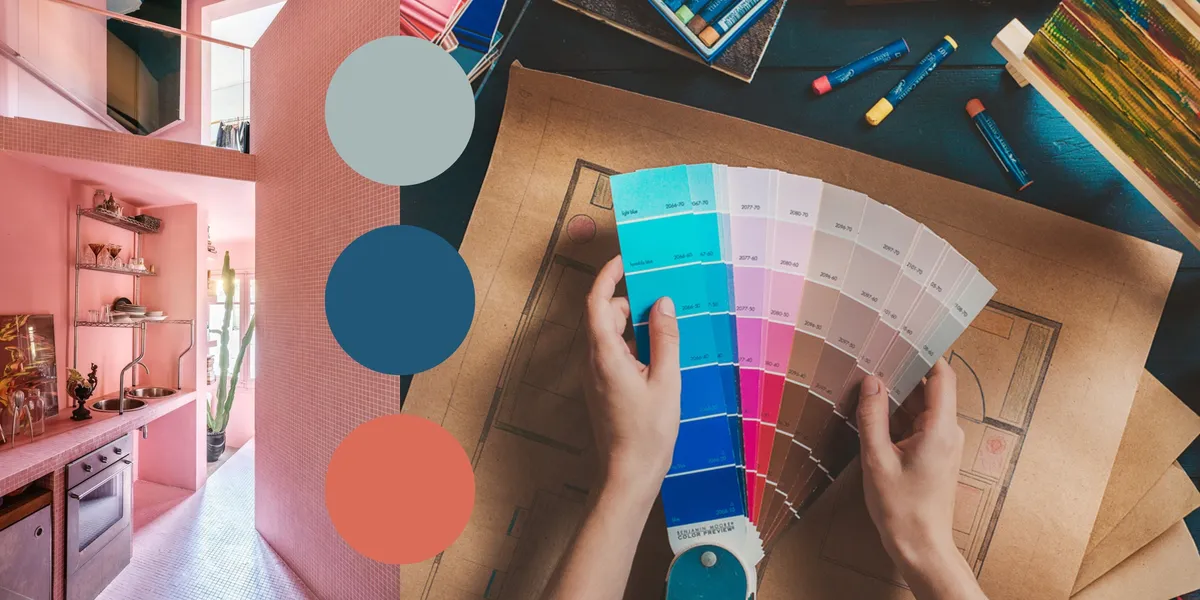 Image Source: The Interior Design Institute.
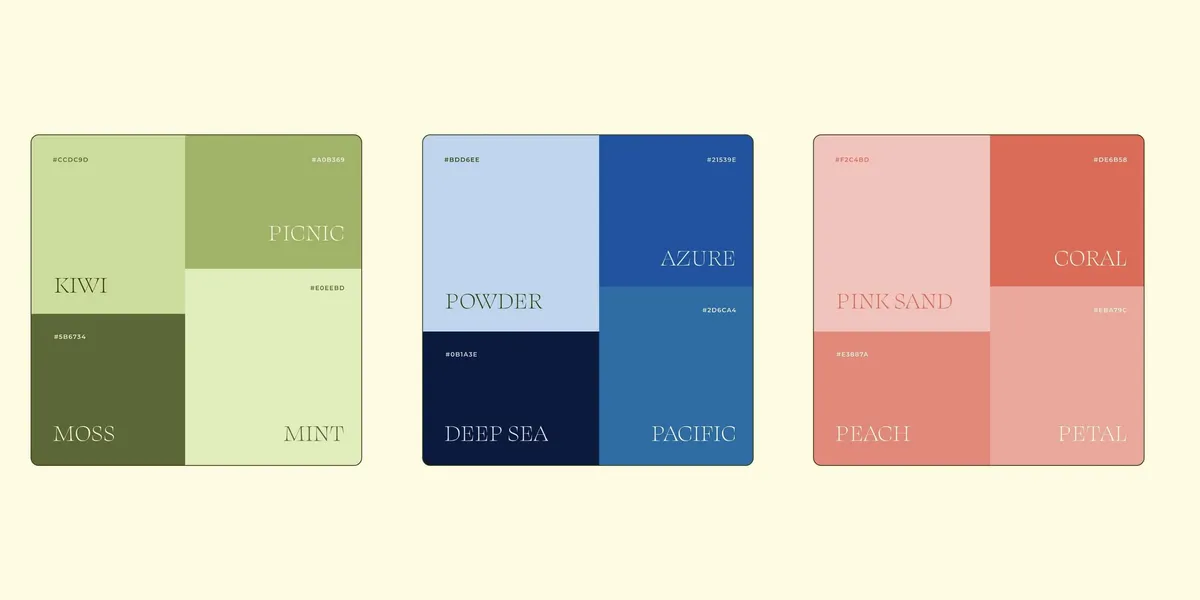 Image Source: Muse Design Studio.
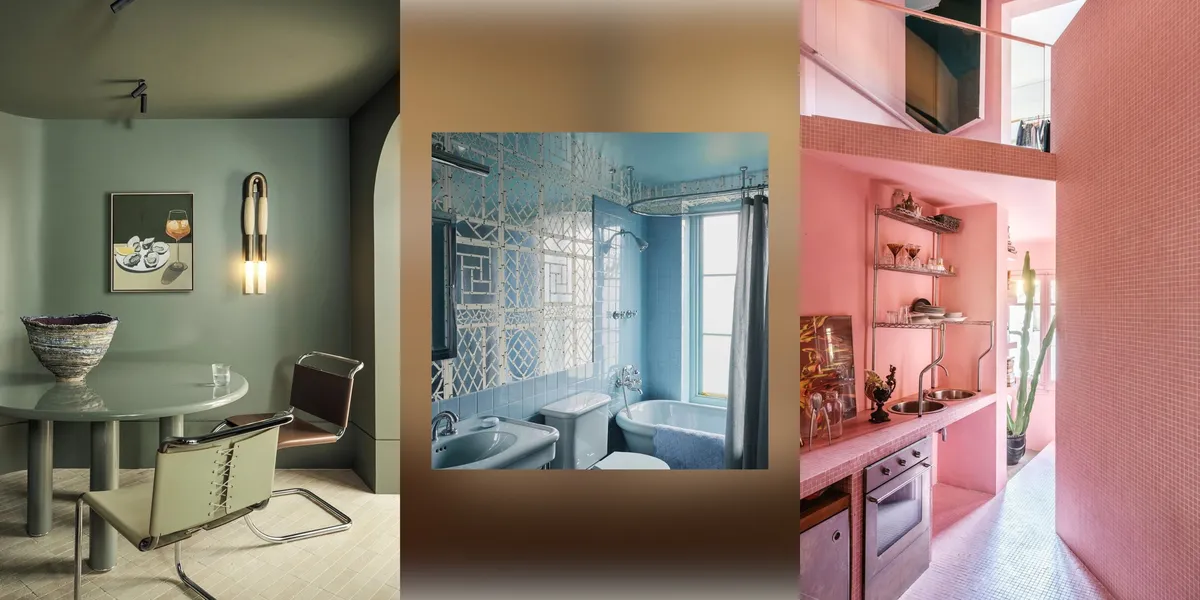 Image Source: Vogue Australia.
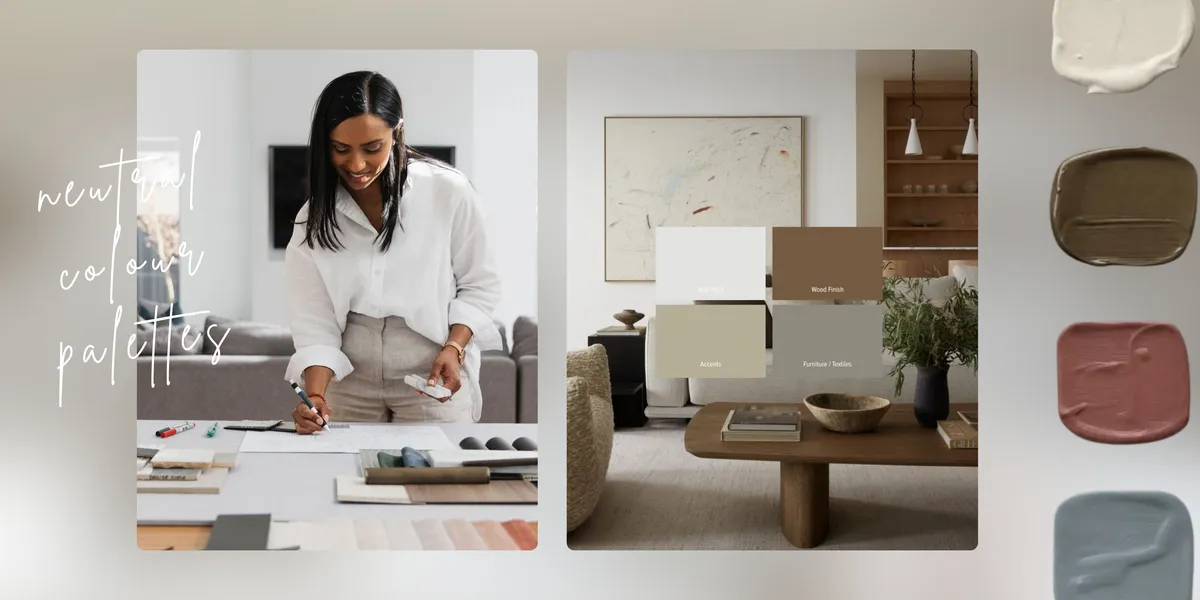 Image Source: The Interior Design Institute.
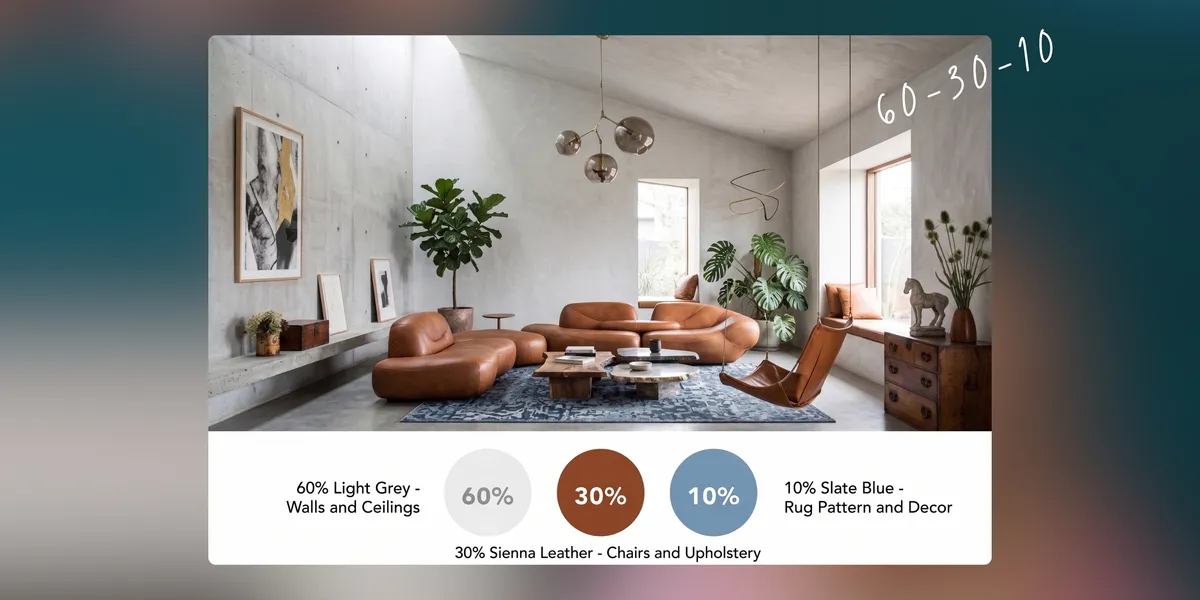 Image Source: The Interior Design Institute.
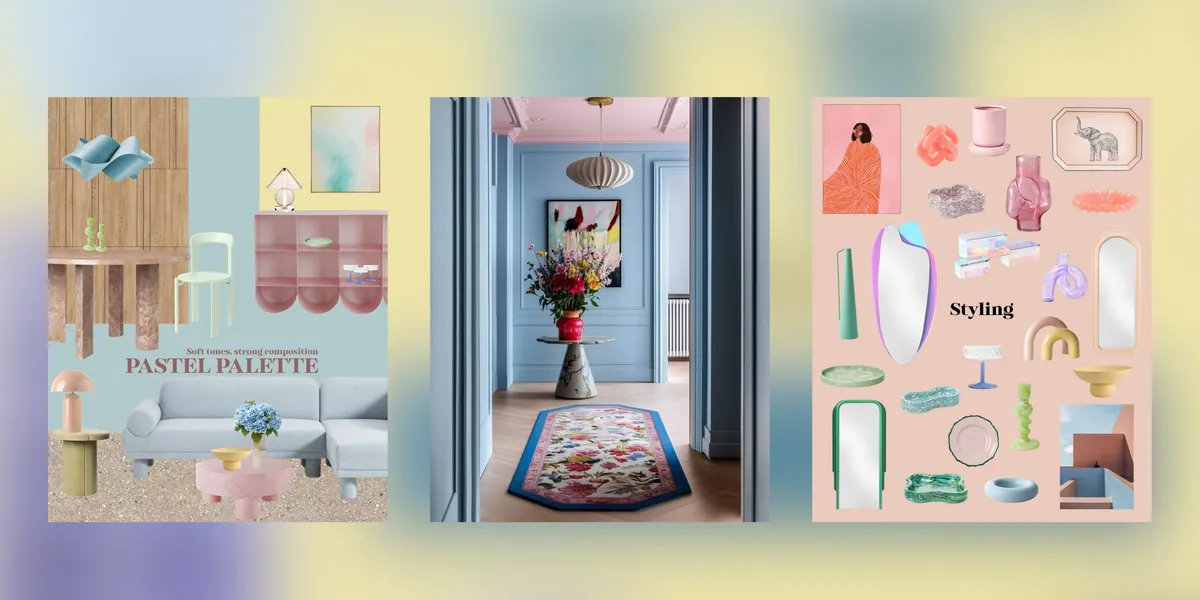 Image Source: @interieurcharmeur.
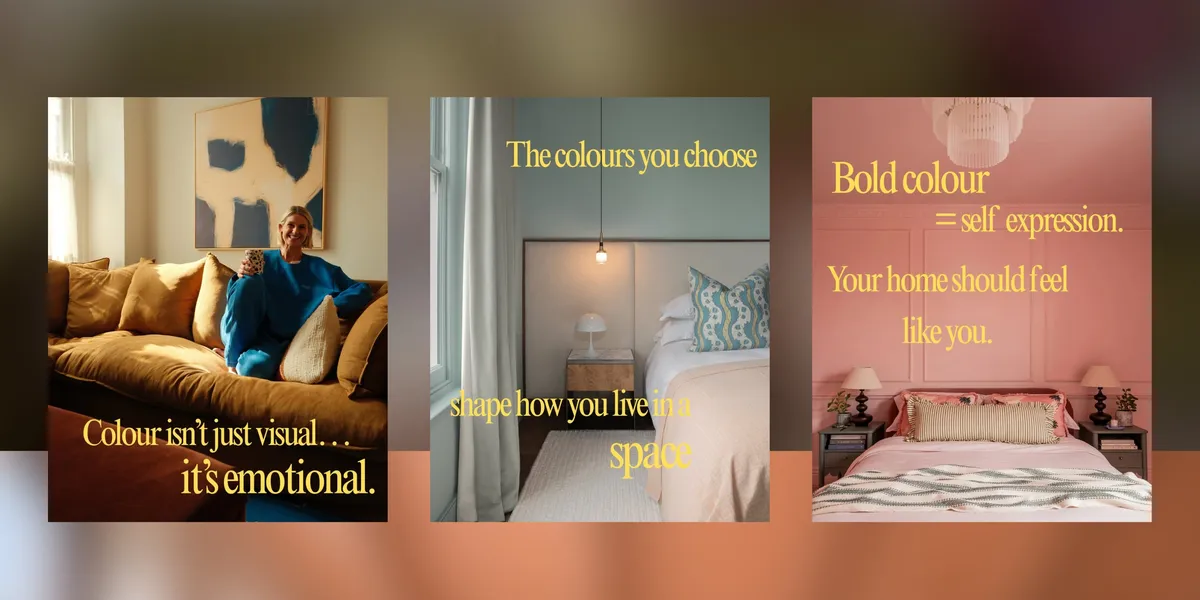 Image Source: @tash_lickcolour.







 United States (ES)
 Argentina
 Australia
 Austria
 Belgium (NL)
 Bolivia
 Canada (EN)
 Chile
Chile
 Colombia
 Costa Rica
 Ecuador
 France
 Germany
 Hong Kong
 India
India
 Indonesia
 Ireland
 Japan
Japan
 Malaysia
 Mexico
 Netherlands
 New Zealand
 Paraguay
 Peru
Peru
 Philippines
 Qatar
Qatar
 Singapore
 South Africa
 Spain
Spain
 Switzerland (FR)
 United Arab Emirates
 United Kingdom
 Uruguay