Minimal Interior Design: A Guide to Warm Minimalism
We live in an age of constant visual noise. Your home should be the antidote to this daily exhaustion. Minimal interior design isn't about stripping a room bare or living with nothing.
It's about designing with intention and swapping cold corners for warmth, comfort, and rich textures. This liveable style focuses on how a space makes you feel rather than just how it looks in a photograph.
In this guide, our interior design tutors explain how to create a minimal home that feels calm, warm, and intentional.
In short…
- Audit and edit: Clear your surfaces and only keep items that serve a clear function or bring you personal joy.
- Layer natural textures: Mix linen, wool, and raw timber to add depth without relying on busy patterns.
- Prioritise quality: Invest in fewer, well-made pieces rather than cheap items that clutter your home and lose their appeal.
We teach the science of light and space in our online interior design course. It’s the best way to turn your creative eye into professional expertise.
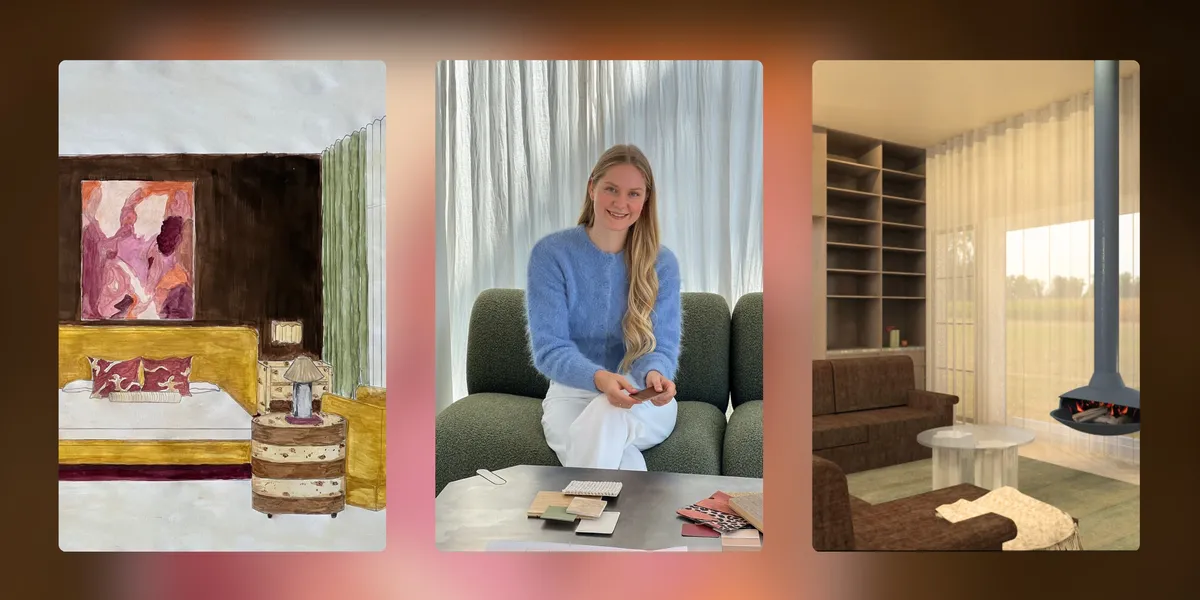
 Image Source: Graduated #IDIstudent Shivani Gounder from @madison.interiors_.
What Is Minimal Interior Design?
At its core, minimalist interior design is about letting the architecture of a room breathe. It focuses on the quiet relationship between light, shadow, and negative space.
Decluttering is a simple housekeeping chore, but minimalism and interior design are deliberate creative choices. When you leave a wall bare, you're giving your eyes a place to rest. You're choosing quality over quantity at every step of your styling journey.
Quick Minimalism Audit
Follow this 3-step interactive hook to make your home feel clearer and more intentional.
- Clear your surfaces: Remove anything that does not serve a clear function or bring personal joy.
- Find the visual noise: Look for busy corners, mismatched accessories, or items that interrupt the calm of the room.
- Keep the best: Return only the pieces that support how you want the space to feel.
What Is Warm Minimalism?
Early minimalism often felt cold and unapproachable with its sharp edges and polished chrome. Warm minimalism interior design is the antidote to that clinical look. It replaces cold concrete with warm timber and swaps synthetic fibres for natural linen.
You achieve this by layering materials like raw stone and oiled oak. These organic elements make a room feel cosy without adding visual clutter. It's the perfect foundation for a modern minimalist interior design that feels warm and liveable.
- Swap cold finishes: Replace glossy, clinical surfaces with timber, linen, stone, and wool.
- Use soft lighting: Move away from harsh overhead downlights and use warm LEDs, paper lanterns, and candlelight.
- Layer organic materials: Let natural grain, texture, and shadow create interest without adding clutter.
Image Source: Pinterest.
Key Principles of Minimalist Interior Design
To master minimalist home design, you need to understand the structural rules that keep a simple room from feeling empty.
- Intentional material selection: Choose a small palette of natural materials and repeat them to create a sense of cohesion.
- Restrained colour palette: Ditch the stark whites for warm cream, sand, stone, and soft terracotta.
- Functional furniture: Select pieces with simple silhouettes that sit close to the floor to keep sightlines open.
- Purposeful negative space: Leave empty areas on your walls and floors to give your minimalist interior decor breathing room.
- Tactile variety: Use contemporary minimalist interior design principles to layer linen, wool, and raw timber to add depth without relying on patterns.
How to Apply Warm Minimalism Room by Room
Warm minimalism works best when every room has a clear purpose. Use these room-by-room ideas to create spaces that feel calm, useful, and comfortable.
- The Living Room: Start with a large sofa in a neutral textured fabric like bouclé. Keep the floor clear with a low oak coffee table, anchor the area with a thick wool rug, and hang one large artwork in soft tones.
- The Bedroom: Keep the furniture to a minimum. A low timber bed frame, two simple bedside tables, and a comfortable chair are enough. Layer washed linen sheets in warm shades like oat or sand.
- The Kitchen and Dining Area: Choose flat-panel cabinets with hidden handles, keep countertops clear, and select a solid timber dining table that shows the natural grain of the wood.
Expert Tip: Minimal rooms rely on lighting more than busy decor. Use soft wall sconces, warm bulbs, and one understated pendant to create atmosphere without adding clutter.
Image Source: Pinterest.
How-To Start Warm Minimalism on a Budget
You don't need a massive renovation budget to create a joyful home. Use these six steps to start your transformation today.
- Audit and journal: Walk your home to find joy gaps and list five colours or textures that lift your mood to avoid impulse buys.
- Pick a digital palette: Start with one energised shade and use free apps like Canva to mock up the room before spending.
- Layer cheap textures: Aim for five different textures per room and use thrifted finds to add warmth without overspending.
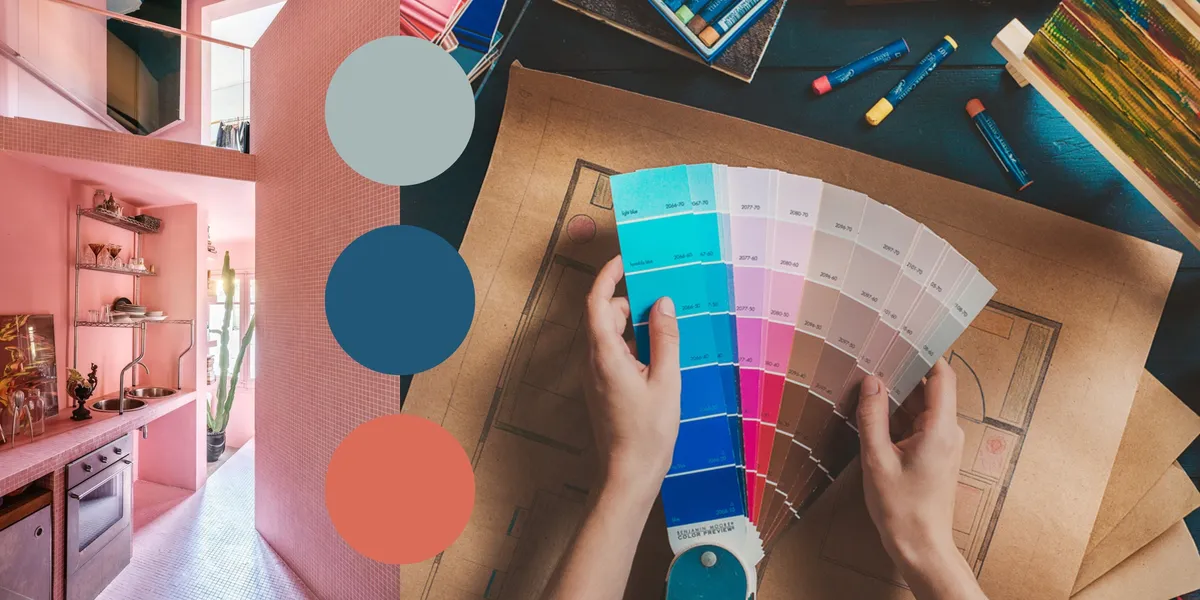
- Try peel-and-stick patterns: Use removable wallpaper on fridge doors or cabinet interiors for high impact without a permanent commitment.
- Create joy zones: Dedicate one shelf to joy bombs like neon mugs or souvenirs to spark daily micro-hits of happiness.
- Amplify with light: Swap bulbs for warm pink or orange tones and position mirrors to double the brightness of colourful corners.
Image Source: Pinterest.
Common Warm Minimalism Mistakes to Avoid
Designing a simple home is often harder than it looks. It is easy to fall into traps that make your space feel empty.
- Confusing minimalism with bare walls: Leaving every wall bare makes a room look incomplete. Choose one large, textured canvas to give the room a sense of purpose.
- Buying cheap, flimsy furniture: Because you are using fewer pieces of furniture, each one must be high quality. Solid wood and natural leather age gracefully and add character to your home.
- Ignoring the power of lighting: Harsh white light will ruin a warm neutral palette instantly. Always choose warm-toned bulbs and layer your light sources at different heights.
- Overcomplicating the palette: Stick to three to four harmonising tones. Let your natural materials provide the colour variation instead of introducing too many accents.
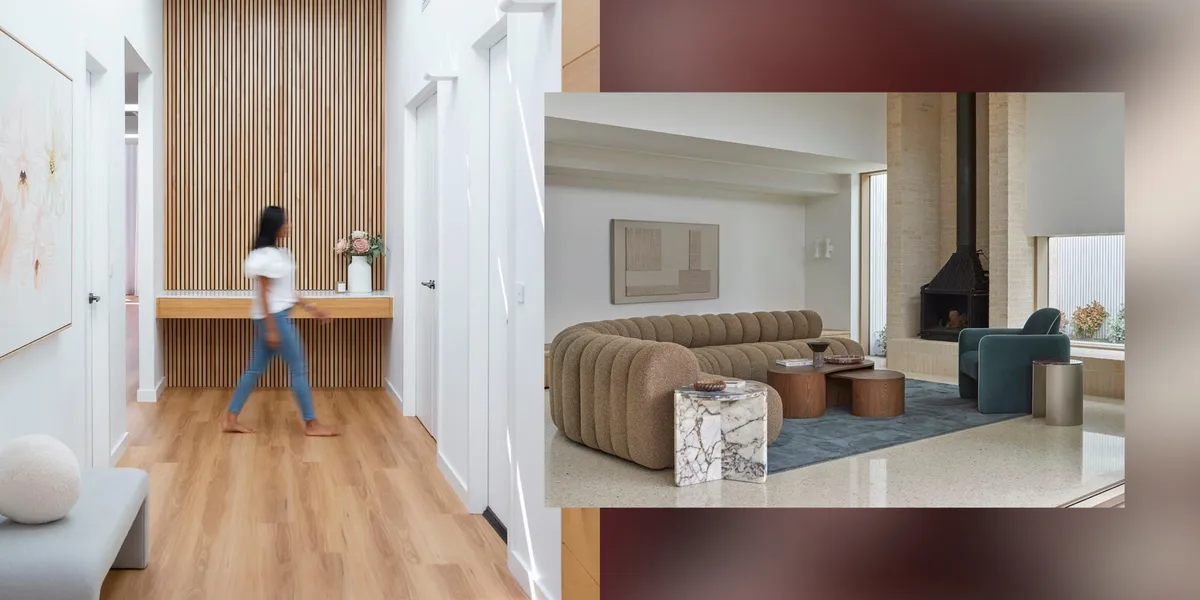
Image Source: The Interior Design Institute.
How to Build a Career in Interior Design
If you constantly analyse room layouts, colour undertones, and texture pairings, you already have the instincts of a designer. Turning that natural taste into professional skills is how you build a serious career.
Our online interior design course is designed to turn your intuition into a professional toolkit. You can study at your own pace around work and family, guided by a personal tutor who works in the industry. It's the perfect first step toward launching your own boutique studio or freelance business.
Download our free course guide to learn more.
Frequently Asked Questions
What’s the best way to start a minimal interior design project?
Start by auditing your home to remove items that do not serve a clear function or bring you joy. Once your space is clear, focus on layering natural textures and warm lighting to make the room feel intentional and inviting.
How do I choose a neutral colour palette for a warm minimalist home?
Look for warm undertones like oat, sand, or soft terracotta rather than stark, clinical whites. Test your paint swatches in both morning and evening light to ensure the colour feels cosy and grounded throughout the entire day.
Is modern minimalist interior design expensive?
It can be very affordable if you prioritise quality over quantity by buying fewer, better-made pieces. Focus on solid wood or natural linen and invest in one or two statement items that anchor the room's design.
Can I mix textures in minimalist interior decor?
Yes, mixing textures like wool, raw timber, and linen is the best way to add depth to your home. These organic elements reflect light softly and add a layer of comfort without creating any unnecessary visual clutter.
Where can I study minimal interior design?
You can study professional minimal interior design through the Interior Design Institute. Our modules teach you the technical foundations of spatial planning and colour theory you need to build spaces that feel calm, curated, and deeply inviting.
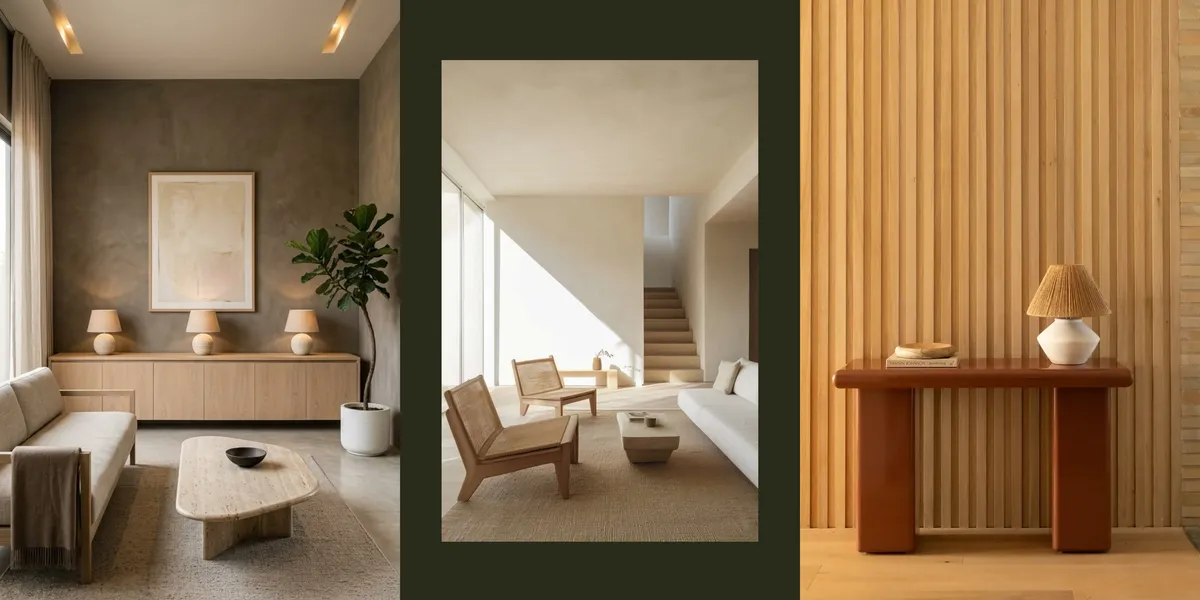 Image Source: Pinterest.
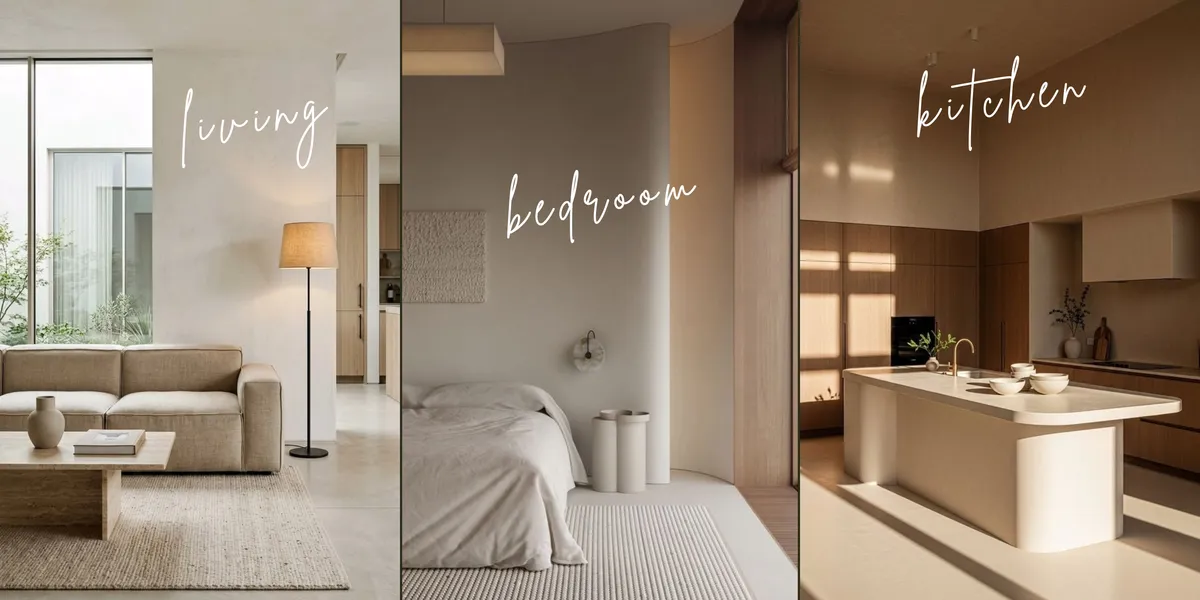 Image Source: Pinterest.
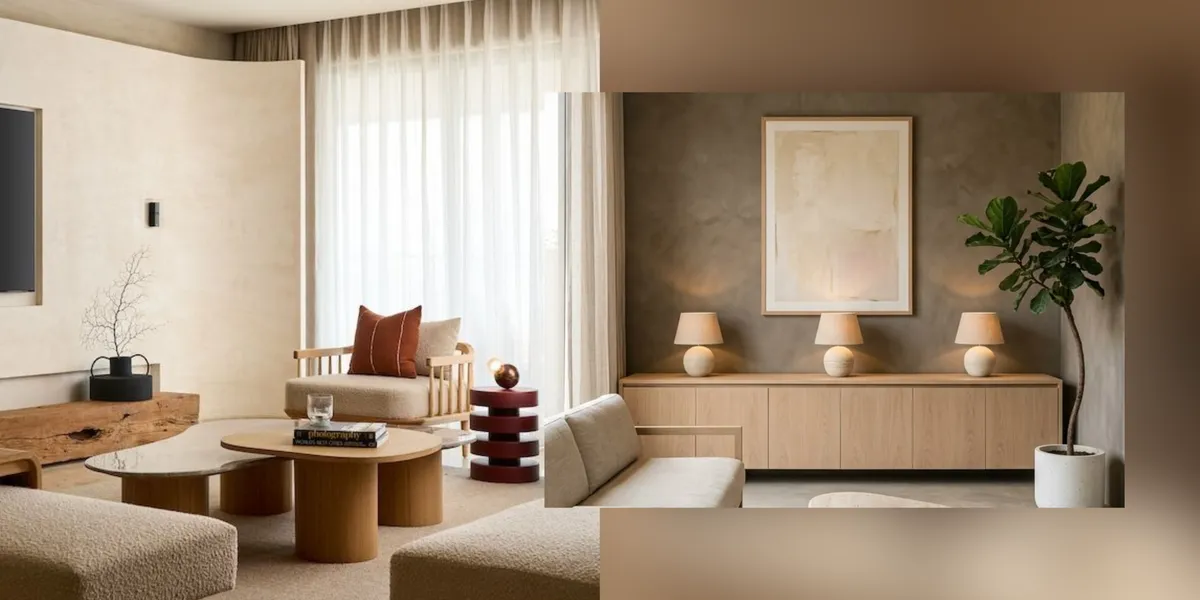 Image Source: Pinterest.
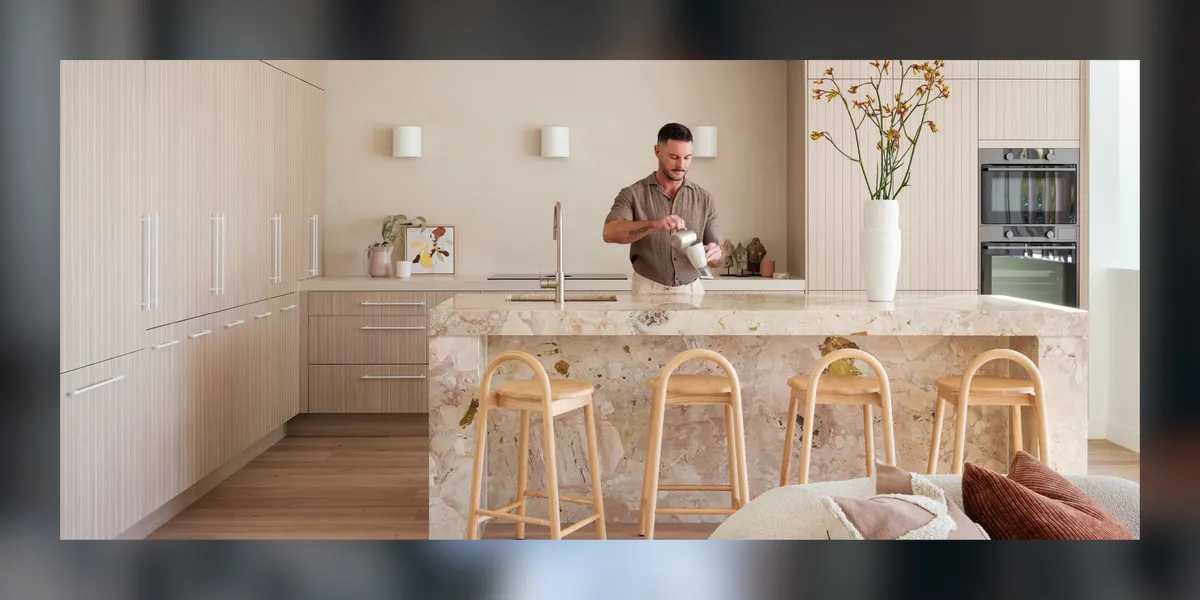 Image Source: The Interior Design Institute.







 Argentina
 Austria
 Belgium (NL)
 Bolivia
 Canada (FR)
 Chile
Chile
 Colombia
 Costa Rica
 Ecuador
 France
 Germany
 Hong Kong
 India
India
 Indonesia
 Ireland
 Japan
Japan
 Malaysia
 Mexico
 Netherlands
 New Zealand
 Paraguay
 Peru
Peru
 Philippines
 Qatar
Qatar
 Singapore
 South Africa
 Spain
Spain
 Switzerland (DE)
 United Arab Emirates
 United Kingdom
 United States (EN)
 Uruguay