Why Learning Interior Design With a Real Tutor Still Matters in the Age of AI
You've watched the tutorials, saved hundreds of interiors on Pinterest and Instagram, and probably asked AI more than a few design questions. So, if there is already so much free interior design information at your fingertips, is studying an online interior design course with a real tutor still worth it?
AI has undoubtedly changed the way we learn. It can explain colour theory, define design styles, suggest furniture layouts and help you explore ideas in seconds. But interior design isn't just about having access to information. It's about learning how to apply that knowledge to a real space, a real client and a real design problem.
That's where working with an experienced interior designer becomes very different from simply asking a tool for an answer.
In short…
AI is a brilliant tool for research, brainstorming and understanding general design concepts.
A real interior design tutor can review your actual work and give personalised feedback based on your space, brief and design decisions.
Having the same tutor throughout your course means they can see how your skills develop from one module to the next.
Interior design isn't always about finding one "correct" answer. A tutor can help you understand the consequences of different design choices and develop your own judgement.
For students comparing online interior design courses with tutor support against free resources, the difference isn't simply how much information you receive. It's the quality of the feedback you get when you start applying it.
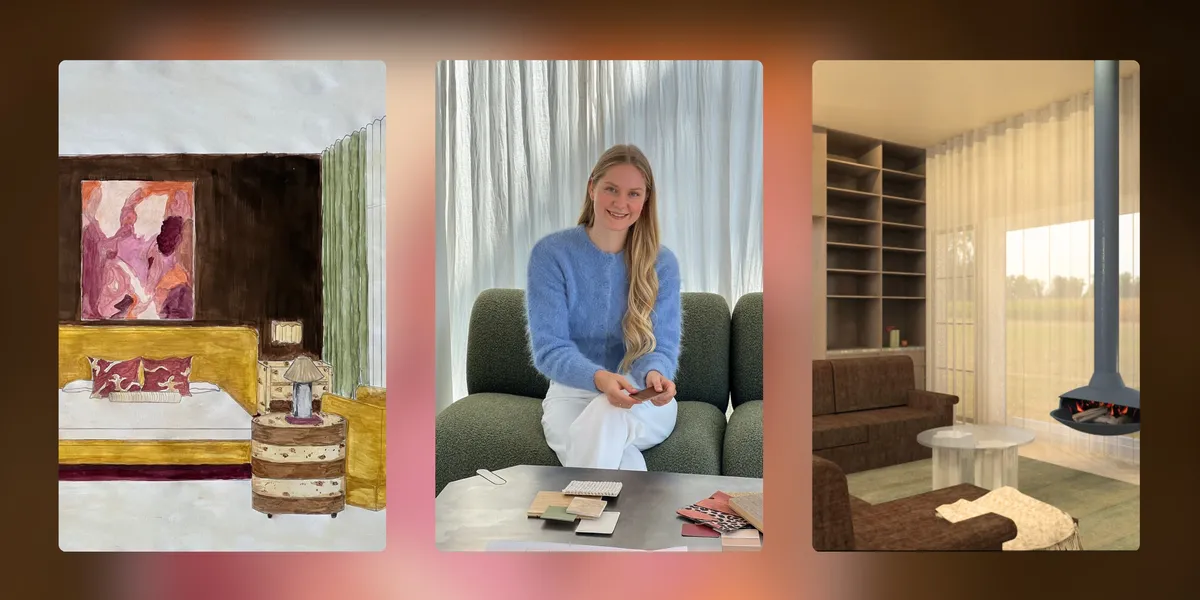
Image Source: IDI Tutor Meghan Yang with IDI Brand Manager Jasmine Abel.
What AI Design Tools Are Actually Good At
Let's give AI the credit it deserves. AI chatbots, online tutorials, YouTube, Pinterest, Instagram and other free design resources can be incredibly useful when you're learning interior design.
You might use them to understand the basics of colour theory, research a particular interior style, explore material combinations, brainstorm design concepts or get an explanation of an unfamiliar term. AI can also be a great sounding board when you're at the beginning of an idea and simply want to explore possibilities.
And if you've already learnt a lot this way, you're not imagining it. There is an enormous amount of genuinely useful design knowledge available online.
But learning design theory and learning how to design are two different things.
The challenge starts when you move beyond asking, "What size rug should I use?" or "What colours work with travertine?" and begin asking more complicated questions such as, "Does this floor plan actually work for the people who are going to live here?"
Where Free Design Information Runs Out
Interior design is full of decisions that depend on context. A piece of furniture can be beautiful and completely appropriate for your concept, but still create a circulation problem. A lighting plan can technically include all the right fittings and still be frustrating to use every day.
This is one of the biggest differences when you learn interior design with a tutor vs AI.
AI can respond to the information you give it. A tutor can look at the work you've actually created, understand the assignment brief, spot something you may not have considered and challenge you to think differently.
IDI tutor Marieke Rijksen from Whispering Bold sees this regularly when reviewing student assignments.
“
One thing I find myself saying to students surprisingly often is: imagine actually living here.
A floor plan can look great on screen, all the furniture fits and technically there seems nothing 'wrong' with it. But then you follow the route from the front door to the kitchen, imagine pulling out a dining chair while someone walks behind you, or work out where you would put your bag down when you come home, and suddenly the design tells you something different.
Marieke recently saw this in a student's open-plan design featuring a beautiful sculptural travertine dining table connected to the island.
The table suited the overall scheme, but its position interrupted the flow between the dining and living areas and didn't leave enough space to move comfortably around it.
“
The answer wasn't simply that the table was too big or the choice was wrong. It was about helping the student see that every decision has consequences elsewhere in the room.
The same principle applies to lighting. A plan can have the right number of sockets, switches and light fittings and still be frustrating to actually live with.
“
Where is the bed? Can you switch the lights off from it? What happens when you enter the house in the dark? Where will the television, desk or floor lamp actually go? Does it make sense to switch all those lights together?
These are small questions, but they are the difference between designing something that looks convincing on paper and designing a home that works.
Thoughtful tutor feedback encourages students to look more closely at their work, question their decisions and consider how each choice affects the space as a whole. Over time, this helps build the critical thinking, confidence and professional judgement needed to solve design challenges independently.
"But I've Been Managing Fine With Free Resources So Far"
And you may continue to get enormous value from them. We certainly don't believe students should stop using technology, online resources or AI.
The difference comes when you want to move from gathering inspiration to developing professional judgement.
You can ask an AI tool more detailed questions, but it doesn't have the same ongoing understanding of your coursework, your development across modules or the reasoning behind the design decisions you've made. A tutor reviewing your submitted work can look at the entire picture.
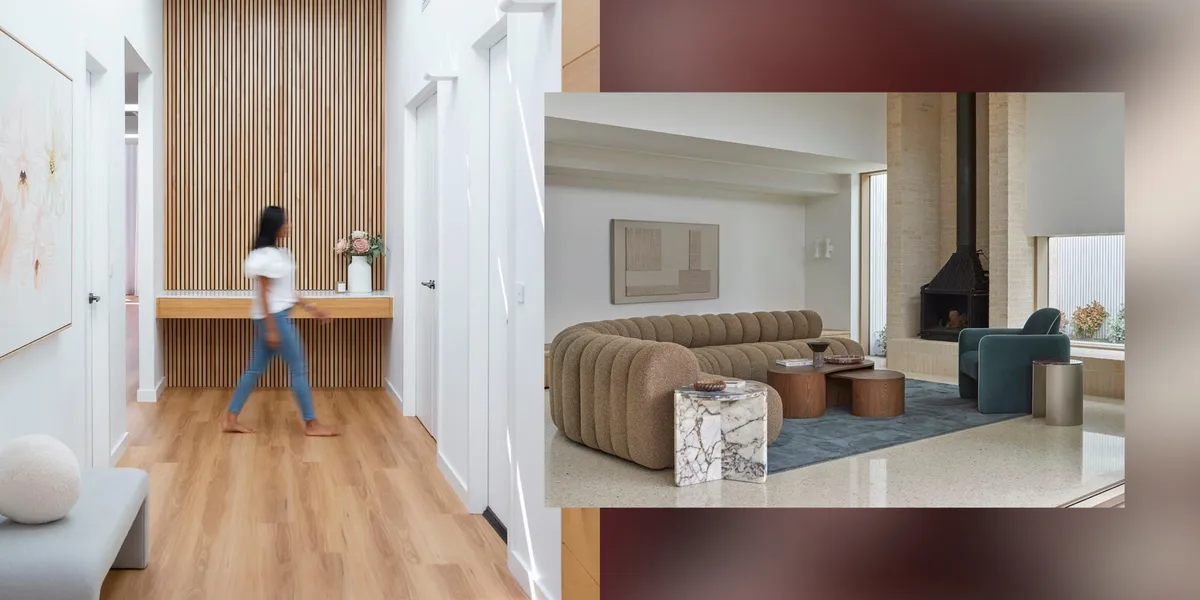
Image Source: IDI Tutor Marieke Rijksen from Whispering Bold.
AI vs a Real Tutor: What Each One Actually Gives You
AI and human tutors don't necessarily need to compete. They can serve very different purposes within the learning process.
AI & Free Resources
Real Interior Design Tutor
Explains general interior design theory
Reviews how you've applied that theory to your actual work
Available instantly when you have a quick question
Builds an understanding of your work throughout your course
Suggests ideas and possible solutions
Helps you understand why a particular solution may or may not work
Responds to the information you provide
Can identify issues in your submitted plans, concepts and design decisions that you haven't thought to ask about
Useful for research, brainstorming and inspiration
Provides personalised interior design course feedback based on your space, brief and design development
The strongest learning experience can involve both. Technology can help you research and explore ideas, while an experienced designer helps you develop the critical thinking needed to decide which ideas are actually appropriate.
Image Source: Some of our friendly tutor team at IDI.
What Students Actually Value About Having the Same Tutor Throughout
Interior design mentorship isn't only valuable when something goes wrong.
One of the benefits students often discover after starting their course is the continuity that comes from working with the same tutor throughout their studies.
Your tutor isn't simply seeing one assignment in isolation. Over time, they begin to understand how you approach a brief, where your strengths lie and which areas need more development.
According to Marieke, students regularly value the personal contact, detailed feedback and ability to ask specific questions as they progress through their modules. Many are surprised by how individual the support actually feels.
That relationship also means your tutor can see something that is difficult to measure from a single assignment: progress.
A student who initially struggles with scale, spatial planning or communicating their design ideas may approach those same decisions very differently several modules later. Their confidence develops alongside their technical ability.
And because the same tutor has watched that progress happen, their feedback can evolve with the student.
As Marieke explains:
“
Interior design isn't a series of correct answers. There are usually several solutions, and part of learning to design is understanding the knock-on effect of the choices you make. Sometimes my job is to point out the thing a student hasn't thought about yet, and then let them work out what they want to do with it.
That process is ultimately what design education is about. Not simply collecting answers, but developing the knowledge and judgement to confidently make your own decisions.
See the Designers Behind the Feedback
When we talk about personal tutor support at The Interior Design Institute, we're talking about real interior designers who work directly with students throughout their course.
Meet some of the designers behind the feedback:
You can also meet our interior design tutors, explore their backgrounds and learn more about the designers who may support you throughout your course.
If you're still comparing your options, download our free Course Guide to explore how the course works, what you'll learn and the support available along the way.
Frequently Asked Questions
Can AI replace an interior design tutor?
AI can be incredibly useful for explaining design concepts, generating ideas and supporting research, but it isn't the same as receiving personalised feedback from an experienced designer. A tutor can review your actual coursework, consider your design as a whole, identify issues you may not have noticed and help you understand the reasoning behind different solutions.
Do online interior design courses come with real, human feedback?
It depends on the course. At The Interior Design Institute, students receive personalised feedback on their assignments from a real interior design tutor. Your tutor can answer specific questions, review your work and help guide your development as you progress through the course.
What's the benefit of having the same tutor throughout an interior design course?
Working with the same tutor creates continuity throughout your studies. Rather than seeing each assignment in isolation, your tutor gets to know your strengths, challenges and design approach, allowing their feedback to evolve as your skills and confidence develop from module to module.
Is personalised design feedback worth paying for if I already use free AI tools?
Free AI tools can be a valuable part of your learning toolkit, but personalised feedback serves a different purpose. An experienced tutor can review how you've applied design principles to a specific project, challenge your decisions and identify details you may have overlooked, helping you develop the judgement and critical thinking needed to become a stronger designer.
Can I use AI while studying interior design?
AI can be a useful tool for research, brainstorming and exploring design concepts when used appropriately. However, developing your own creative thinking, technical knowledge and design judgement remains an essential part of learning interior design. Your tutor can help you understand how to apply what you're learning to real design problems and develop confidence in your own ideas.
This article was created with guidance from Marieke Rijksen, a professional tutor at The Interior Design Institute. Drawing on her experience reviewing student assignments, Marieke shares how personalised feedback can help students move beyond design theory and develop the judgement needed to create spaces that work beautifully in real life.
Marieke is an experienced interior design tutor who supports students throughout their studies at IDI. Through detailed, personalised assignment feedback, she helps students strengthen their spatial planning and consider how their concepts will function in real life.
Ready to Take Your Interior Design Skills Further?
Our online interior design course combines flexible online learning with personal support from experienced interior design tutors.
You'll explore the foundations of interior design, develop your technical and creative skills and put what you learn into practice through real design assignments. Along the way, your tutor will review your work, provide personalised feedback and help you identify the details you may not have considered.
AI can help you find information. A great tutor can help you learn what to do with it.
Meet our tutors or download the free Course Guide to discover more about studying interior design online with The Interior Design Institute.
 Image Source: IDI Tutor Meghan Yang with IDI Brand Manager Jasmine Abel.
 Image Source: IDI Tutor Marieke Rijksen from
  Image Source: Some of our friendly tutor team at IDI.








 Argentina
 Austria
 Belgium (NL)
 Bolivia
 Canada (FR)
 Chile
Chile
 Colombia
 Costa Rica
 Ecuador
 France
 Germany
 Hong Kong
 India
India
 Indonesia
 Ireland
 Japan
Japan
 Malaysia
 Mexico
 Netherlands
 New Zealand
 Paraguay
 Peru
Peru
 Philippines
 Qatar
Qatar
 Singapore
 South Africa
 Spain
Spain
 Switzerland (DE)
 United Arab Emirates
 United Kingdom
 United States (ES)
 Uruguay