Graduate Spotlight: From Marketing to Modernism with Luca Bagnaschino
After almost 20 years in marketing, Luca Bagnaschino found himself drawn towards something new. Renovating his own homes had sparked a growing interest in interiors, and before long, that curiosity became a passion he wanted to pursue professionally.
At 40, Luca enrolled in the Diploma of Interior Design with The Interior Design Institute (IDI). Today, he is the founder of Studio Bagnaschino, an online interior design studio based in Hilversum, the Netherlands, where his work draws on mid-century modernism, Italian design and the connection between our homes and wellbeing.
We caught up with Luca to talk about changing careers, the practical skills he developed while studying with IDI, his love of 1970s modernism and the rewarding experience of bringing his own design studio to life.
I'm an Italian interior designer based in Hilversum, the Netherlands, and the founder of Studio Bagnaschino. After almost 20 years in marketing, I decided to change careers and pursue my passion for interior design.
My work is influenced by mid-century modern, 1970s Italian modernism and contemporary interiors, while my Italian upbringing has shaped my appreciation for a slower pace of life and the role our homes play in it.
I'm naturally curious and observant, and I'm particularly interested in the relationship between interior design and mental wellbeing, and how our surroundings influence the way we feel.
Outside design, you'll often find me listening to vinyl records, sketching or enjoying the colours and atmosphere of autumn and winter. And one day, I will finally have a (girl) golden retriever named Giuggiola.
When I was young, I was fascinated by planets, stars and galaxies. I didn’t dream of being an astronaut, but I dreamed of studying the universe. Astronomy is still one of my big passions today.
What inspired you to become an interior designer?
It was a gradual, almost unconscious process. I worked in marketing for almost 20 years, but about ten years ago, I renovated the house I was living in and discovered how much I enjoyed the process. The same thing happened with two other homes, although I still didn't consider interior design as a possible career.
Eventually, I realised that my marketing career was no longer giving me the sense of fulfilment I was looking for. Around the same time, I decided to rethink the style of my own apartment, which led me to research interior design styles, watch design videos and collect books on the subject.
One day, I noticed something important: I had never felt such a strong desire to keep learning and developing new skills in marketing as I did with interior design. That realisation changed everything. So, I immediately searched for courses and found The Interior Design Institute.
If you weren’t a designer, what would you be doing?
I'd probably still be working in marketing. Luckily, I found the courage to make a career change and pursue something that genuinely excites me.
What three words would your friends use to describe you?
Friendly, persistent and curious.
What’s your secret talent or hidden skill?
Outside interior design, probably cooking. In the design world, I wouldn't call it a talent just yet, but I've been dedicating a lot of time to developing my skills in digital sketching and digital interior collages.
My day usually starts with three coffees and an audiobook about personal development or The Grand Tourist podcast. Then come the less exciting tasks: emails, administration and accounting. After that, it's time for the fun part: design projects, research and sketching. I enjoy this part of my work so much that some evenings I have to make an effort to stop and call it a day.
Do you have any personal or creative rituals?
When I'm sketching, I like to put on a vinyl record and light candles and incense. It helps me create an atmosphere where I can concentrate and get into a creative flow.
My morning ritual is simpler: coffee and an audiobook or podcast before the working day begins.
How would you describe your design style?
I'm strongly influenced by mid-century modern and 1970s Italian modernism, which I like to reinterpret in a contemporary way. My work tends to be colourful, with an appreciation for clean lines, strong silhouettes, interesting materials and a balance between simplicity and personality.
Growing up in a small coastal town in Italy also shaped how I think about the spaces we inhabit. I experienced a slower pace of life, where homes were closely connected to everyday rituals, family and a sense of wellbeing. That influence stays with me today and I’m interested in bringing some of that feeling into my work: creating spaces that feel grounded, balanced and comfortable to live in.
I don't have one particular place I go to for inspiration. I enjoy taking walks, especially when I need to clear my mind or step back from a problem I'm overthinking.
I also pay attention to the way nature changes throughout the seasons. Autumn and winter tend to inspire me the most, perhaps because of their colours, cosy atmosphere and changing light.
Travelling to Italy is another important source of inspiration for me. I was born and raised in a small coastal old town, and returning to Italy reconnects me with the atmosphere, architecture and slower pace of life I grew up with. I often come back with new ideas, sometimes inspired by a particular space or detail, and sometimes simply by the feeling of being there.
Do you follow design trends or do your own thing?
I keep an eye on what's happening in the design world, but I don't follow trends simply because they're popular. When I come across something that interests me, I explore it and consider whether, and how, it could fit into my own design language. I don't want my style to become static. I see it as something that should continue to evolve as I learn, experiment and discover new influences.
Are there recurring themes or signature elements in your work?
Clean lines, uncluttered spaces and chrome accents are recurring elements in my work. I'm also drawn to colour, material contrasts and strong silhouettes. I like interiors to have character and visual balance.
My studio is a dedicated workspace within my home, so design is very much part of my everyday surroundings. I work with my Mac and iPad (for digital sketching) alongside colour fans and material samples.
I also keep vinyl records close at hand. Music is an important part of my creative routine, and I like my workspace to feel personal and inspiring rather than overly formal.
What’s currently on your professional wish list?
I'd love to attract more of the right private clients and continue building a sustainable boutique studio. My goal is to develop a distinctive portfolio of projects that reflect my design approach, while creating a business that allows me to keep learning, experimenting and doing work I find meaningful.
Do you have a guiding philosophy behind your work?
For me, design begins with a concept, even before a mood board. I want every project to have an underlying idea that guides the decisions about space, colour, materials and furniture.
Another important principle is that the initial design concept must come from me. I don't want to start with an AI-generated image of a room and then develop my design around it, because I want to protect my own creative thinking and avoid being influenced by a ready-made visual solution.
This doesn't mean I'm against AI. I use it for certain business and marketing tasks, but I prefer to develop my interior design concepts through research, observation, sketching and experimentation.
I don't have a revolutionary strategy. I try to create small moments for myself throughout the day and pay attention to the atmosphere around me: lighting candles in the evening, going for a short walk, taking a coffee break or putting on a vinyl record.
I'm also mindful of my mental wellbeing. One technique I've found helpful comes from Dr Pia Callesen's book Live More Think Less. It's called scheduled rumination: setting aside a specific period each day, around 30 minutes, to think about worries and negative thoughts rather than letting them take over the entire day.
When a worrying thought comes up outside that time, I acknowledge it and try to postpone thinking about it until my next scheduled session. I've found that, by the following day, some of those worries no longer seem important, or I can't even remember what they were. It's a small practice that has made a difference to how I manage overthinking.
What makes you happiest in your work?
I'm happiest when I see an initial design concept come to life in a space that feels coherent, considered and true to its original idea. I love the interplay of clean lines, balance, depth and the absence of unnecessary clutter, and the satisfaction of seeing every element come together as part of a bigger picture.
But what makes the work especially rewarding is discovering that a design can mean something beyond how a space looks. I once redesigned a living space for a client and transformed a neglected corner into a quiet spot where they could start the day, gather their thoughts and relax. Some time later, they emailed me to say it had become their favourite place in the house. That stayed with me. It reminded me that sometimes the most meaningful part of a design isn't the most obvious one, but the way it becomes part of someone's everyday life.
Has the online design community played a role in your career?
I use the online design community as a source of inspiration and a way to keep up with developments in the industry, discover new designers and explore different approaches to design.
At the same time, I think it's important to be mindful of how we use these platforms. It's easy to fall into the trap of comparing your own work and progress with what other designers share online, which can undermine your confidence and feed imposter syndrome. I try to approach the online community with curiosity, using it to learn and find inspiration while staying focused on developing my own design language.
What have been your biggest pinch-me moments so far?
I was recently honoured to see my project Modernist Play featured by Mattoboard. It's rewarding when a project you've spent so much time developing finds an audience beyond your own channels.
Another important milestone has been turning my studies into a real business and working on projects for actual clients. Making a career change is one thing; gradually building a practice around it makes the decision feel very real.
But perhaps my biggest pinch-me moment so far was much quieter. After I redesigned a living space for a client, they emailed me some time later to say that a little corner I'd transformed into a place to start the day, gather their thoughts and relax had become their favourite spot in the house. It might not seem like a big milestone from the outside, but it meant a great deal to me. Knowing that something I designed had found such a meaningful place in someone's everyday life was incredibly rewarding.
If you could collaborate with anyone in the design world, who would it be?
Definitely Studio Mellone, led by André Mellone. Their work is one of my strongest sources of inspiration and admiration. I love the way their interiors combine architectural strength, colour, materiality and character without losing a sense of warmth. I'd be fascinated to see how their creative process unfolds and to learn from the way they approach a project.
From Marketing to Interior Design: Luca’s IDI Journey
Why did you choose to study with IDI?
At 40, I was preparing to change careers and wanted a course that went beyond teaching design principles, colour combinations and fabrics. I was looking for a programme that covered the entire interior design process, including the technical knowledge and practical skills needed to work professionally. I found what I was looking for at IDI, and I couldn't be happier that I enrolled in the diploma course.
What was it like changing careers after almost 20 years in marketing?
I worked in marketing for almost 20 years before switching to interior design. Making that change meant moving from a field I knew well into something entirely new, and accepting that I'd have to start learning again.
There's an Italian expression that translates roughly as "There's an ocean between saying and doing." I decided to cross that ocean by enrolling in the IDI course and committing to the process of turning an ambition into a real career.
What was your favourite part of the course?
I particularly enjoyed the modules covering schedules, technical drawings and the practical relationships between designers, clients and tradespeople. I appreciated learning not only how to develop a design, but also how to communicate it and prepare the information needed to move a project forward.
I also valued the opportunity to develop one substantial project from Module 4 onwards, because it allowed me to apply what I was learning across different stages of the design process.
What advice would you give new IDI students?
I'd encourage students to invest time in learning SketchUp. In my view, being able to use it is an important part of working at a professional level. So, I'd recommend enrolling in the SketchUp Advanced Module after Module 2. I found it easy to follow, and the skills are useful throughout the diploma course and beyond.
How has the course impacted your career so far?
The course was fundamental to my career change. I started developing my interior design business after graduating, and without the training I received at IDI, I wouldn't have had the knowledge or confidence to take that step.
Learning the full design process was particularly important. I now apply that structured approach to my projects, from the initial concept and spatial planning through to design development and the final documentation.
My next goal is to attract more private clients whose needs and tastes align with my approach to design. I want to keep building a portfolio of projects that reflect the kind of work I want to be known for, while gaining experience across different spaces and design challenges.
Where do you see yourself in five years?
I'd like to have an established boutique studio where I can be selective about the projects I take on, focusing on those that genuinely reflect my style and approach. I hope to have developed a distinctive design language that continues to evolve through my work, while building a practice that feels true to who I am as a designer.
I'd also like to develop a particular area of expertise that I can share with other interior designers, whether through a skill, a methodology or a different perspective on the design process. Ultimately, I hope the next five years will be about not only growing my studio, but also developing ideas and knowledge that can contribute to the wider design community.
What design challenge would you love to tackle one day?
I'd love to explore how interior design can support mental wellbeing beyond the usual discussions around colour psychology.
I'm interested in how the spaces we live in can influence the way we feel, think and recover from everyday pressures. Could a thoughtfully designed home help us disconnect from work stress, create a sense of calm or make it easier to leave daily worries at the door?
I'd like to investigate this relationship more deeply and explore how spatial planning, materials, lighting, colour and the overall atmosphere of a home can contribute to a person's wellbeing.
Rapid Fire Favourites
Favourite pastime or hobby:
Crate-digging at vinyl record fairs and digital sketching.
Favourite colour and why?
It's difficult to choose just one colour. The more I work on interior design projects, the more I learn to appreciate colours I might not have considered before. One thing I can say is that grey isn't really my colour. I tend to be drawn to colours that bring personality and character to an interior.
Favourite book, magazine, podcast or show:
I really like “The Grand Tourist” podcast with design journalist Dan Rubinstein who interviews leading tastemakers of the creative world, from fashion, architecture and interior design, to art, food, and travel.
For software, Procreate and Mattoboard are my favourites because they allow me to be creative, and explore/communicate design ideas visually.
When it comes to brands, it's difficult to choose just a few, but I'd mention Minotti, Cassina, Flos, Audo Copenhagen, Nordic Knots, USM, HAY, Foscarini, LAB Colour the World, and Designtegels.
André Mellone, Mike Rupp, Anna Katkova, Kiva Brent, Vico Magistretti, and Gio Ponti.
Dream city or location to design in:
I consider myself fortunate to live in Hilversum, between Amsterdam and Utrecht, so I'm already in a great location. I also get a lot of inspiration from my travels to Italy.
What exciting projects are you working on right now?
I'm currently working on a project built around the concept Modernist Play: a contemporary interpretation of 1970s modernism with a playful twist. The project entails a primary bedroom, kitchen and dining area.
Anything else you’d like to share with aspiring designers?
Changing careers later in life has taught me that it's possible to build on your previous experience while pursuing something new. My background in marketing and visual communication still influences the way I approach interior design, particularly how I develop concepts and communicate ideas.
Video Source: IDI graduate Luca Bagnaschino, founder of Studio Bagnaschino.
“
After almost 20 years working in marketing, I decided to follow my passion for interior design and make a complete career change. IDI gave me the knowledge, practical skills and confidence I needed to turn that ambition into reality.
What I particularly valued was learning about the entire design process, from developing an initial concept and planning a space to preparing technical drawings and schedules. These skills have become an essential part of my work and the way I approach projects with clients.
I also completed the SketchUp Advanced Course and the Kitchen & Bathroom Design Advanced Course, which allowed me to further develop my technical skills and expand my knowledge in these areas.
Since graduating, I've established my own online interior design studio, Studio Bagnaschino. Looking back, the course was a fundamental step in making that transition possible, and I'm grateful to have had the opportunity to build a new career around something I genuinely love.
”
Feeling Inspired by Luca’s Journey?
It’s lovely to see where a little curiosity can lead. Luca spent years exploring his love of interiors before deciding to give it a go, and now he’s building a studio around something he genuinely enjoys.
If interior design is something you’ve been thinking about too, why not have a look at our online interior design courses? You can study at your own pace, explore your creativity and see where the journey takes you.
And if you have any questions, feel free to get in touch by email or on our socials. We’re always happy to chat!
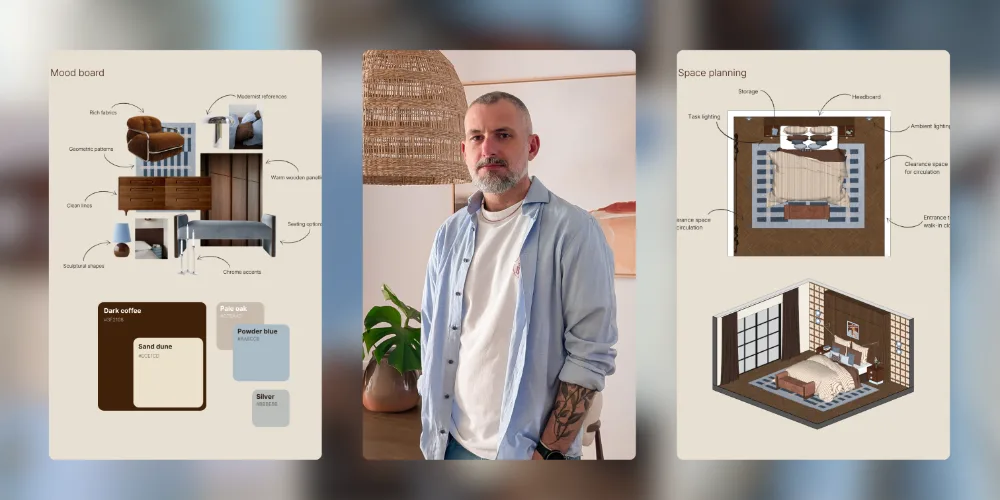 Image Source: IDI graduate
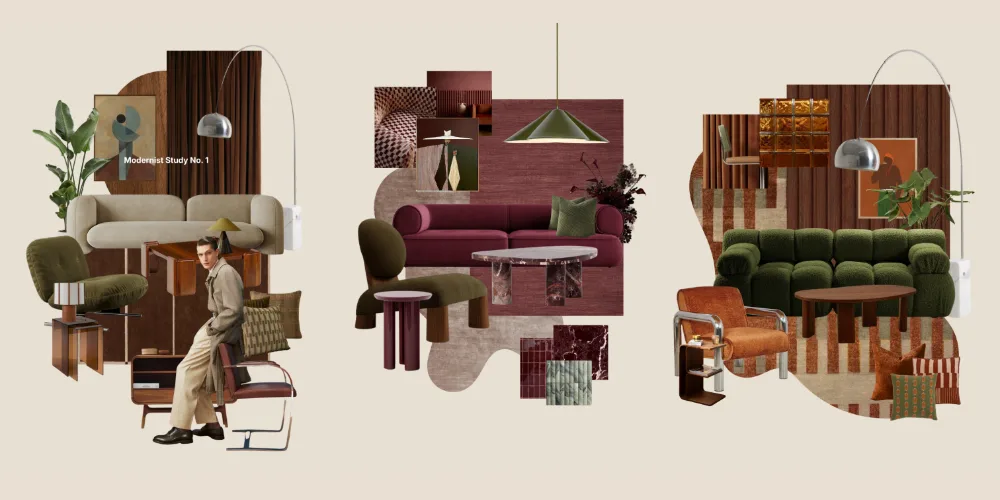 Image Source: IDI graduate
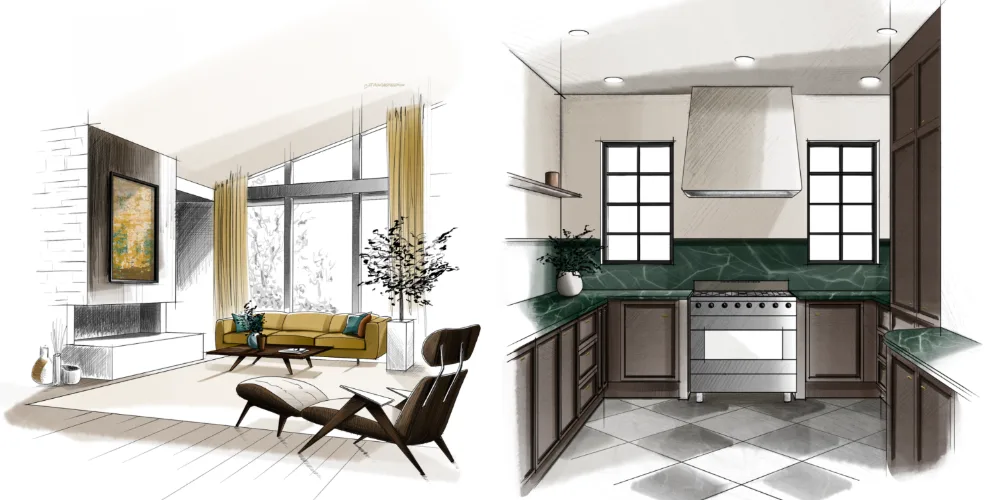 Image Source: IDI graduate
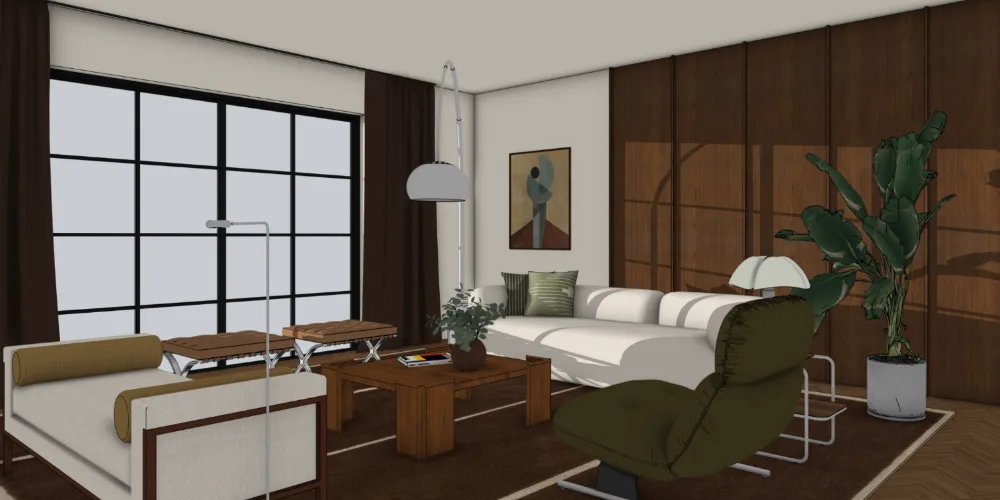
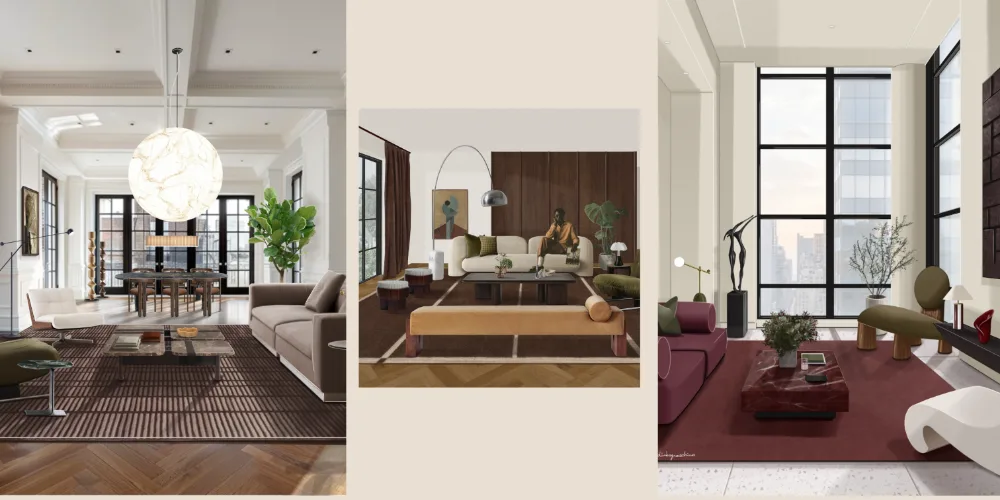 Image Source: IDI graduate
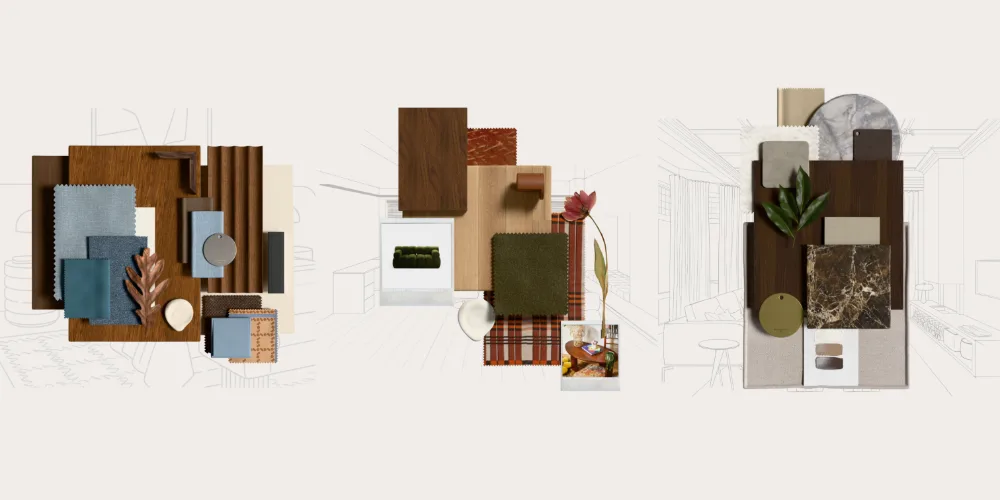 Image Source: IDI graduate
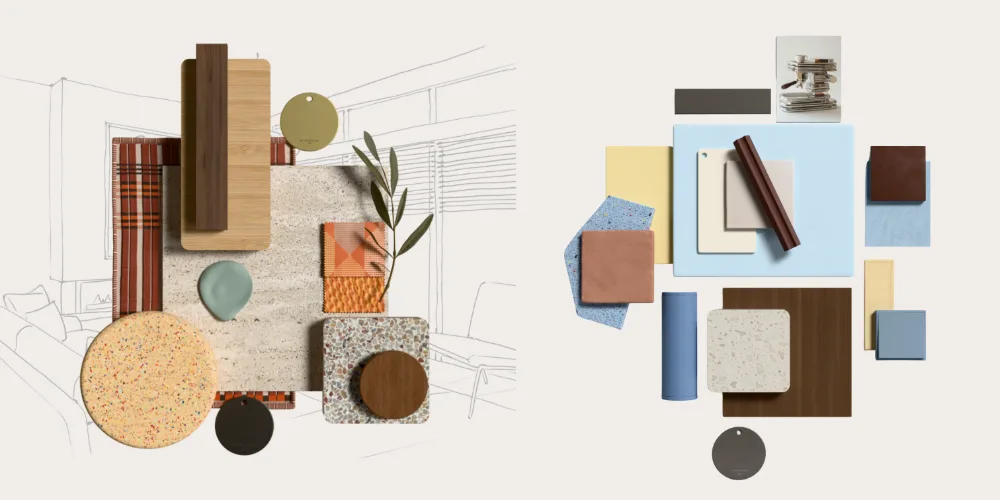 Image Source: IDI graduate
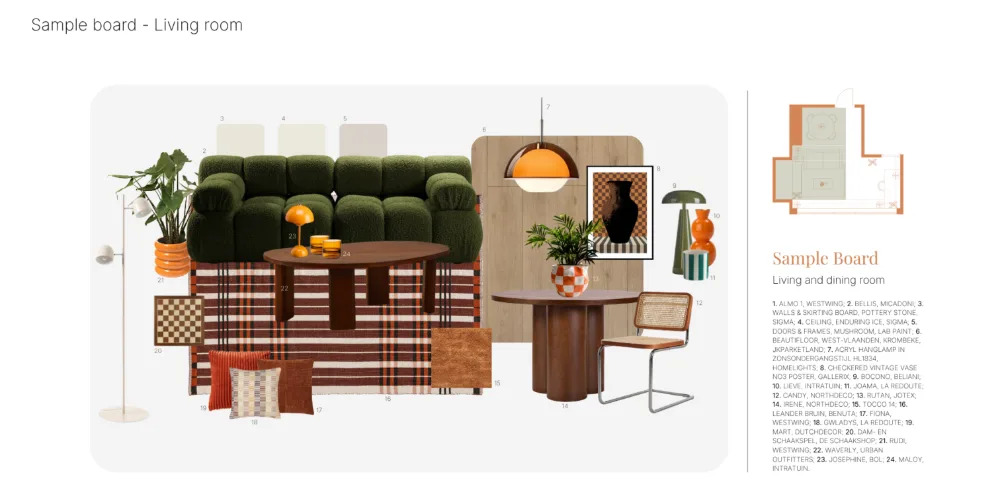 Image Source: IDI graduate
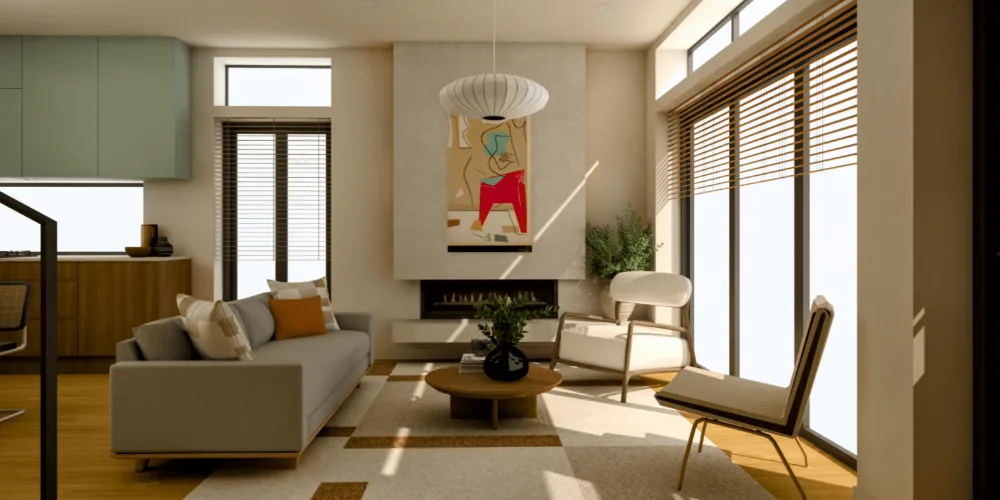 Image Source: IDI graduate
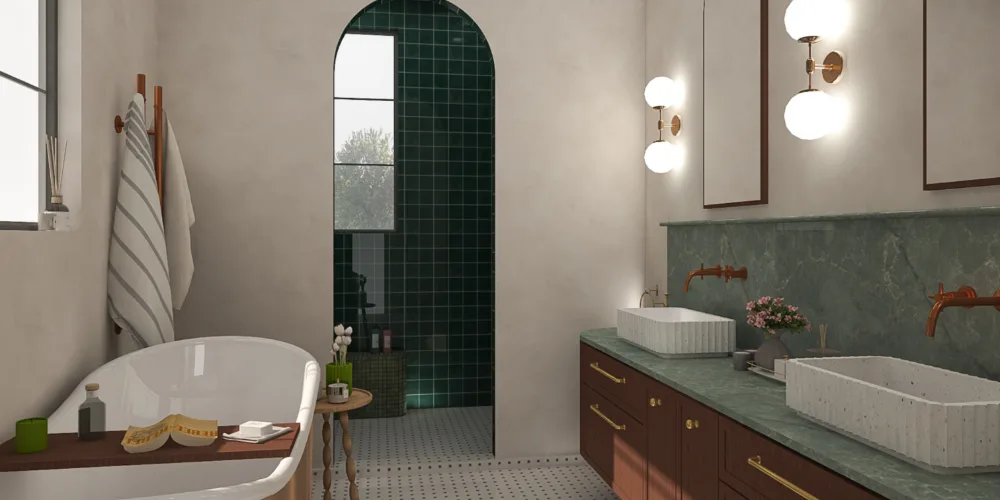 Image Source: IDI graduate
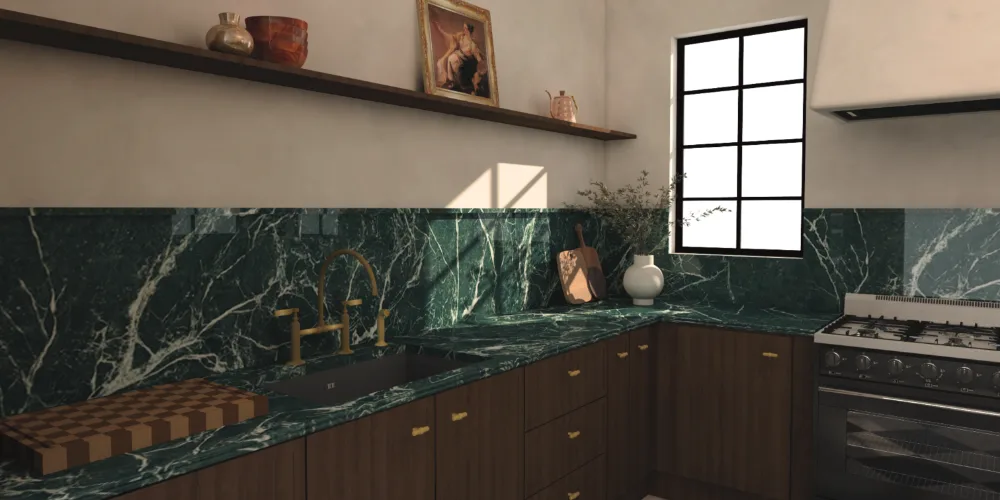 Image Source: IDI graduate
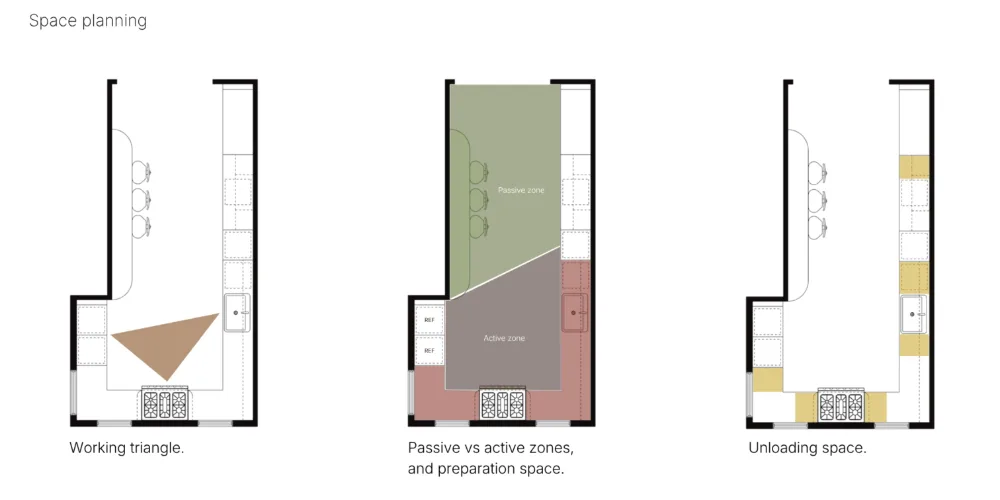
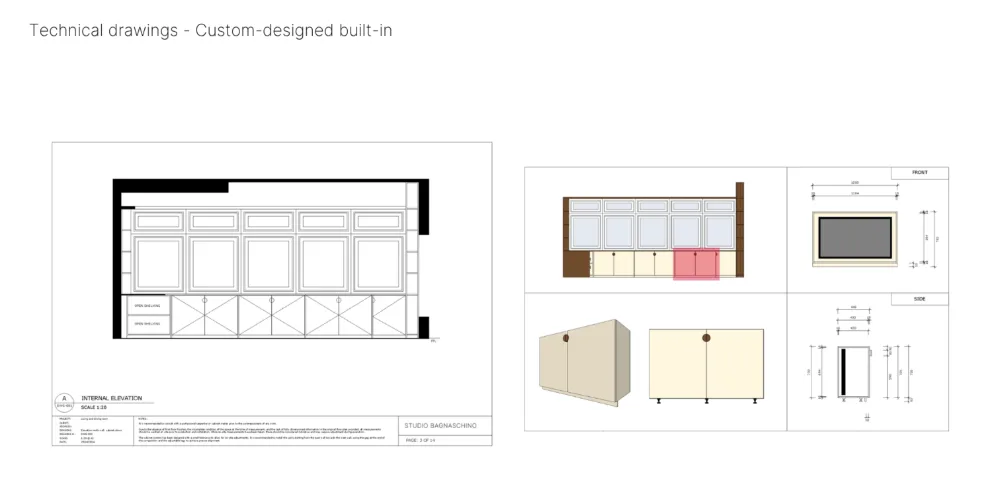 Image Source: IDI graduate
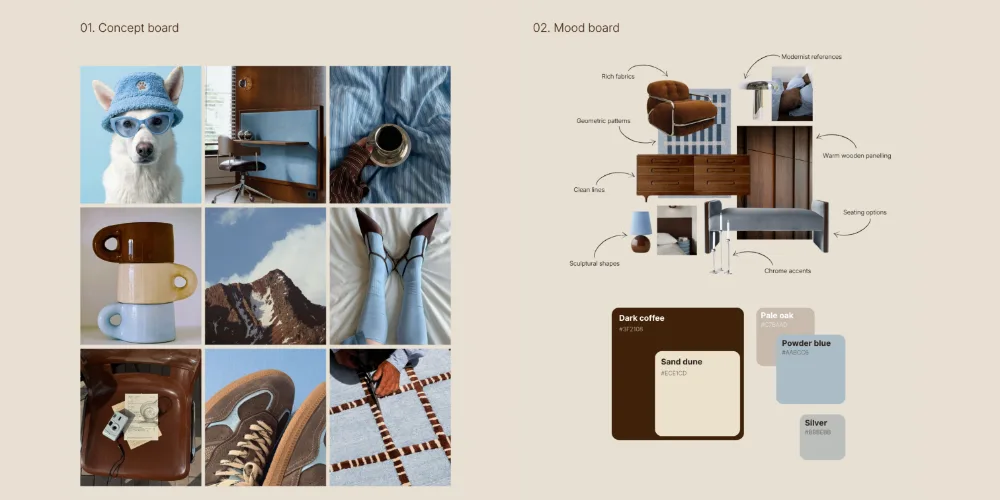
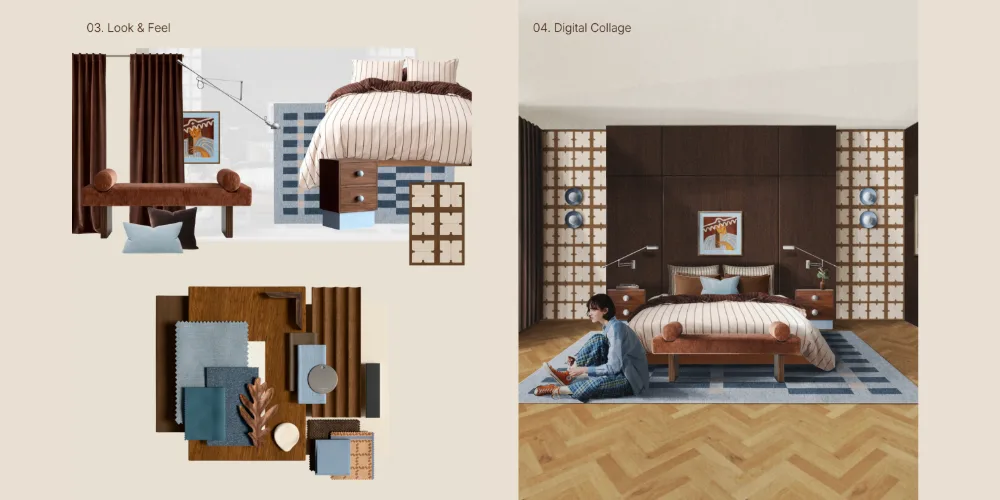
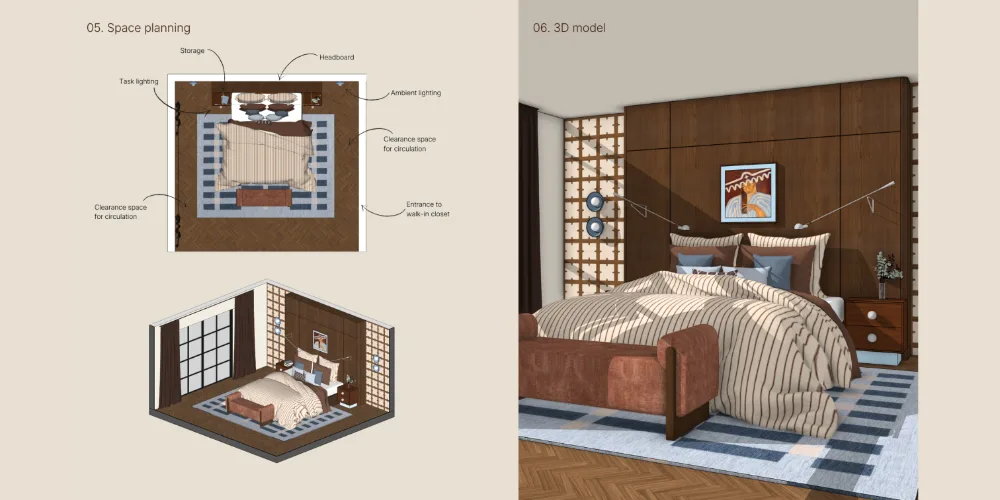 Image Source: IDI graduate








 Canada (FR)
 Argentina
 Australia
 Austria
 Belgium (NL)
 Bolivia
 Chile
 Colombia
 Costa Rica
 Ecuador
 France
 Germany
 Hong Kong
 India
 Indonesia
 Ireland
 Japan
 Malaysia
 Mexico
 Netherlands
 New Zealand
 Paraguay
 Peru
 Philippines
 Qatar
 Singapore
 South Africa
 Spain
 Switzerland (DE)
 United Arab Emirates
 United Kingdom
 United States (EN)
 Uruguay